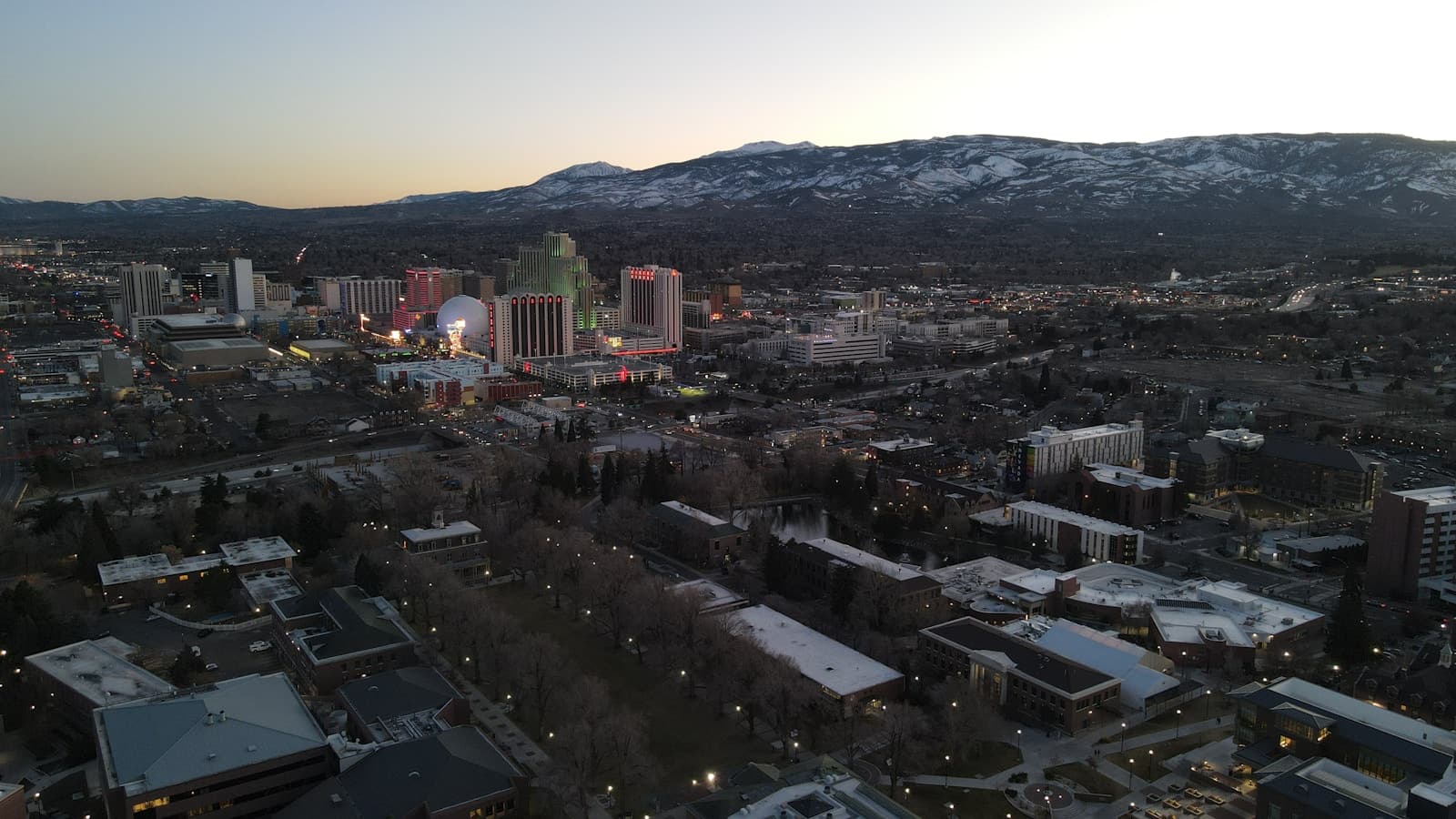
What Affects Rates in Reno
- Teen drivers commuting to North Lake Tahoe jobs or Incline Village face Mt. Rose Highway's mandatory chain control periods and black ice conditions that insurers factor into collision coverage pricing. Parents adding teens who drive SR-431 regularly see higher comprehensive and collision premiums than those with city-only driving patterns. First-winter drivers in Reno need winter tire experience that suburban Las Vegas teens never encounter.
- The I-580 stretch from South Meadows Parkway to Mae Anne Avenue sees concentrated teen driver accidents during peak commuting hours as students head to Damonte Ranch High School, Galena High School, and South Reno shopping employment. Higher speeds and merge complexity on this corridor drive liability insurance costs higher than surface street commutes. Parents whose teens avoid freeway driving entirely may qualify for usage-based discounts with reduced highway miles.
- Teen drivers attending University of Nevada Reno face parking structure congestion and street parking competition near the Virginia Street campus that increases minor collision frequency for comprehensive claims. Collision coverage becomes essential for students parking in high-density campus areas, while those living off-campus in quieter neighborhoods face lower parking-related risk. The influx of out-of-state student drivers also elevates uninsured motorist exposure downtown.
- Teen drivers working downtown jobs near the Riverwalk District or Midtown navigate heavy pedestrian traffic and event congestion that increases liability risk compared to suburban Sparks routes. Accidents involving pedestrians carry severe liability consequences, making higher bodily injury limits more critical for Reno urban teens than rural Nevada counterparts. Parents should prioritize 100/300 liability minimums over state 25/50 floors for downtown-commuting teens.
- Teen drivers in rapidly developing Spanish Springs and Cold Springs face longer commutes into Reno proper on Pyramid Highway and Eagle Canyon Drive, combining higher mileage with newer drivers navigating 55-mph speed zones. The distance from these neighborhoods to Reno high schools increases daily exposure hours compared to central city teens. Mileage-based telematics programs often penalize these longer suburban commutes with higher per-mile risk assessments.

See what adding a teen driver actually costs in your state
Compare quotes from carriers that offer good student discounts — most parents find savings they didn't know were available.
Get Your Free QuoteCoverage Recommendations
Cost estimates are based on available industry data and vary by driver profile. These are not insurance quotes.
Liability Insurance
Reno's downtown pedestrian traffic and UNR campus congestion make 100/300/100 limits essential for teen drivers navigating Virginia Street and the Midtown corridor.
State minimum 25/50/20 inadequate for urban accident scenariosEstimated range only. Not a quote.
Collision Coverage
Critical for Reno teens driving I-580 during winter weather and parking in congested UNR campus structures where minor accidents occur frequently.
Higher deductibles ($1,000) lower premiums for parent budgetsEstimated range only. Not a quote.
Comprehensive Coverage
Protects against hail damage during Reno's summer thunderstorms and theft risk in downtown parking areas frequented by teen workers and students.
Bundling with collision often provides discount on bothEstimated range only. Not a quote.
Uninsured Motorist Coverage
Nevada's higher-than-average uninsured driver rate combines with Reno's concentration of out-of-state student drivers to elevate uninsured motorist exposure near campus.
Relatively affordable addition given Reno's risk profileEstimated range only. Not a quote.
Medical Payments Coverage
Covers immediate medical costs after accidents on remote sections of Pyramid Highway or Mt. Rose Highway where emergency response times exceed urban Reno averages.
$5,000–$10,000 limits provide meaningful protectionEstimated range only. Not a quote.