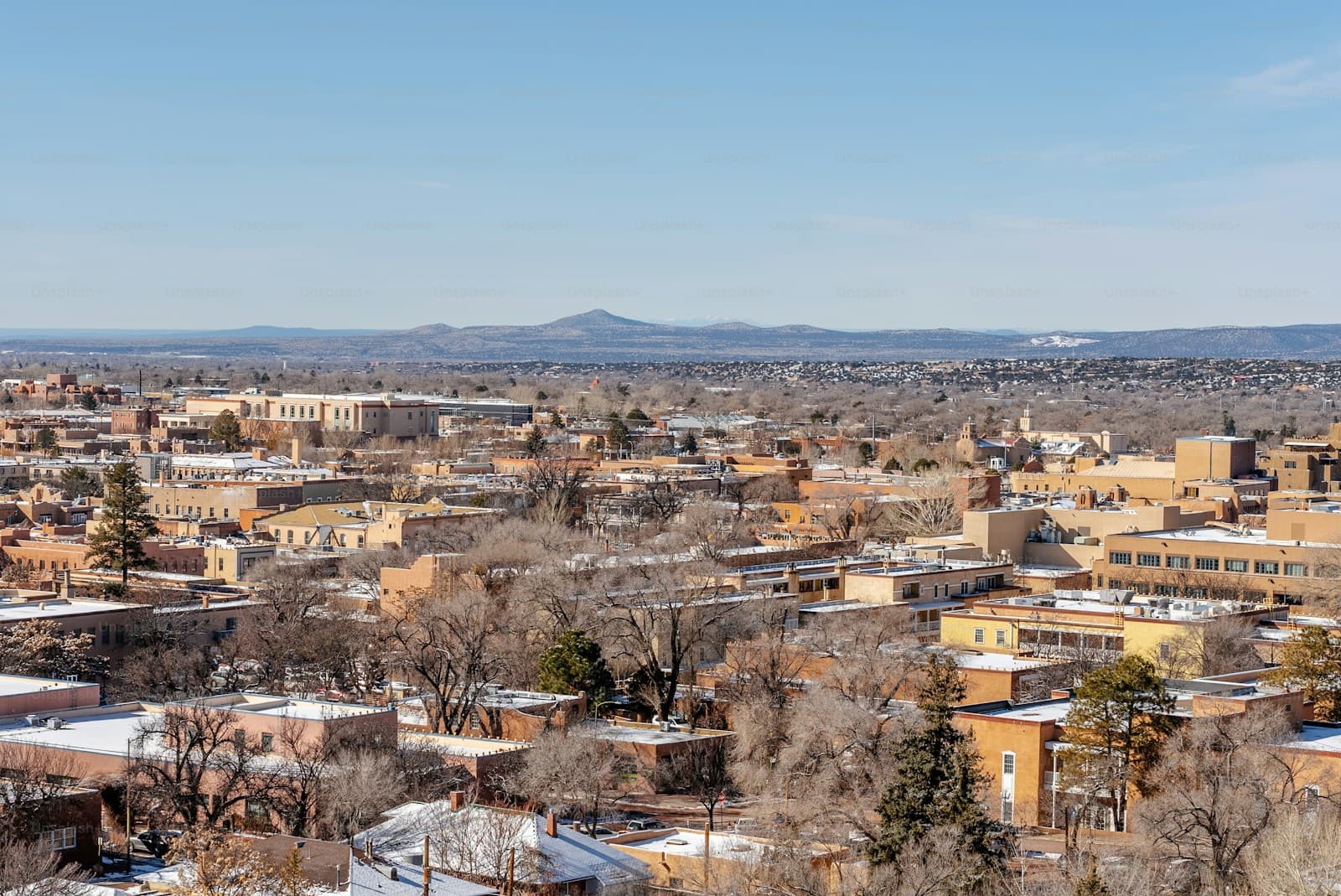
What Affects Rates in Carson City
- The main Carson Street corridor from Stewart Street through downtown to College Parkway concentrates state government workers, local business traffic, and students commuting to Carson High School and Western Nevada College. Teen drivers routinely parallel park near the school's Saliman Road entrance and navigate five-lane arterial merges during 8 a.m. and 3 p.m. peak periods. This congestion elevates collision risk compared to suburban sprawl patterns in other Nevada cities.
- Teen drivers attending school or working retail shifts along US-50 face snow and ice from November through March, particularly on Spooner Summit and the Kingsbury Grade approaches used by families living in eastern Carson City neighborhoods. Many 16-year-old drivers experience their first winter behind the wheel navigating these elevation changes without previous experience in chain installation or black ice recognition. Parents adding teens in Carson City should verify comprehensive coverage includes glass damage from winter road debris and collision for weather-related incidents.
- Carson High School's location at 1111 Saliman Road draws student drivers from Lakeview, Eagle Valley, and Vicee Canyon neighborhoods, creating concentrated morning traffic on Fairview Drive and College Parkway. Western Nevada College students commuting from south Carson City travel the same corridor, doubling peak-hour exposure for drivers under 20. These predictable teen driver concentrations during school session months increase rate factors compared to cities with more dispersed school locations.
- Legislative session periods from February through May bring temporary population surges downtown as state employees and visitors converge near the Capitol complex along Carson Street. Teen drivers working part-time retail or food service jobs in the downtown district encounter unfamiliar parking behaviors and midblock pedestrian crossings during these months. This seasonal congestion pattern affects accident frequency for young drivers employed in Carson City's government-anchored commercial zones.
- Jump Around Carson transit service operates limited routes compared to larger Nevada cities, meaning most Carson City teens drive personal vehicles to school, work, and activities rather than relying on bus alternatives. This higher per-capita teen driving exposure translates to increased annual mileage declarations on insurance applications, a rating factor that amplifies base premiums for households adding 16- to 18-year-old drivers.
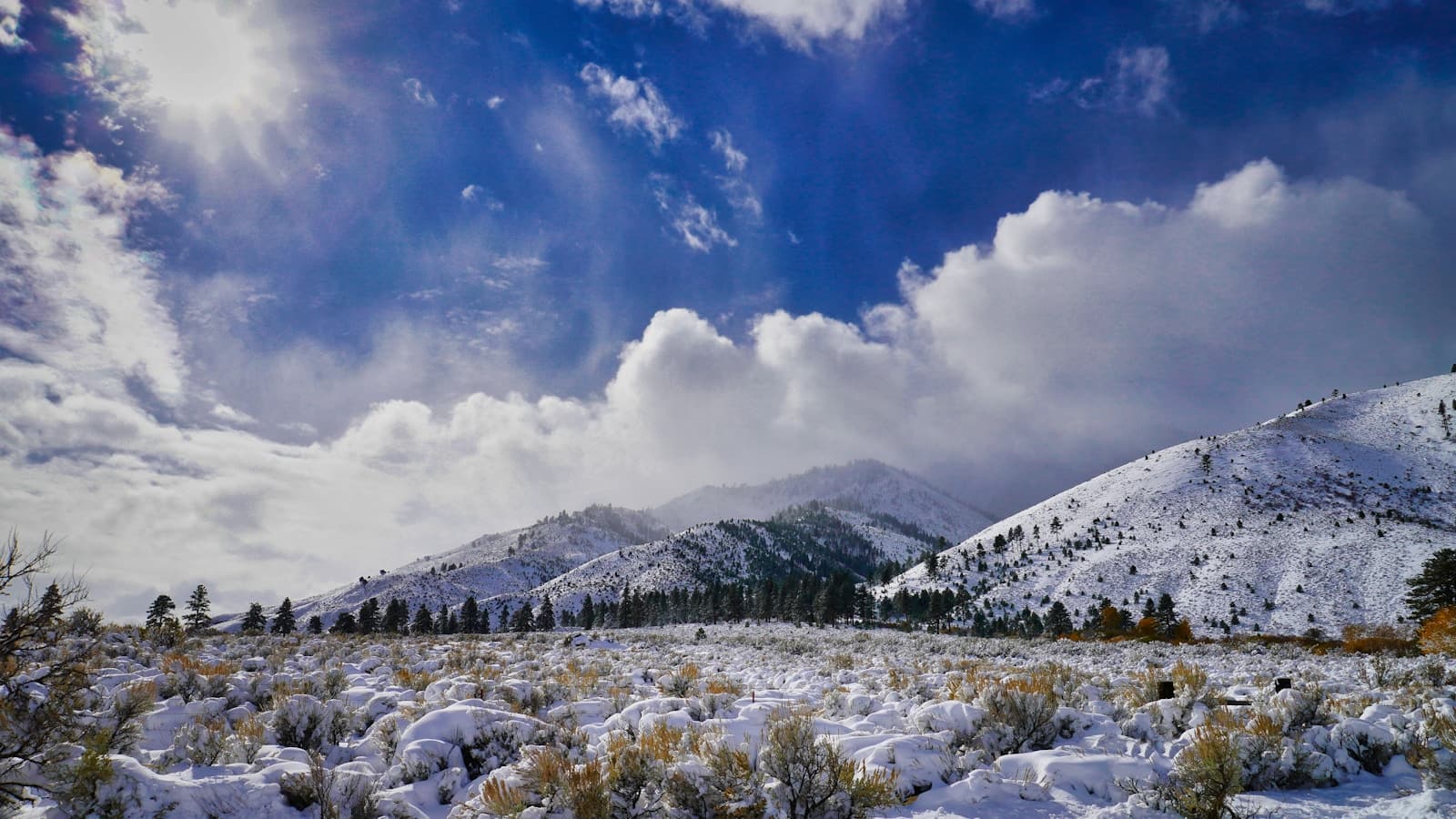
See what adding a teen driver actually costs in your state
Compare quotes from carriers that offer good student discounts — most parents find savings they didn't know were available.
Get Your Free QuoteCoverage Recommendations
Cost estimates are based on available industry data and vary by driver profile. These are not insurance quotes.
Liability Insurance
Downtown Carson Street parallel parking mistakes and Carson High School parking lot incidents make 100/300/100 limits advisable for parents protecting home equity from at-fault teen driver claims.
State minimum adds $180–$280/mo for teens; 100/300/100 adds $210–$320/moEstimated range only. Not a quote.
Collision Coverage
Winter black ice on Spooner Summit and US-50 approaches causes single-vehicle collisions for inexperienced Carson City teen drivers unfamiliar with sudden elevation weather changes between November and March.
Adds $140–$240/mo for teens driving newer vehiclesEstimated range only. Not a quote.
Comprehensive Coverage
Sierra winter storms deposit road debris on windshields along Fairview Drive and College Parkway during teen morning commutes to Carson High School, making glass damage claims common from January through February.
Adds $60–$110/mo for teen driversEstimated range only. Not a quote.
Uninsured Motorist Coverage
Nevada's 14% uninsured motorist rate means teen drivers navigating Carson Street's five-lane corridor face meaningful risk from underinsured commuters during legislative session traffic surges.
Adds $45–$85/mo for teen driver policiesEstimated range only. Not a quote.
Medical Payments Coverage
Carson Tahoe Regional Medical Center emergency room bills from teen driver accidents average $3,000–$8,000 for initial treatment; MedPay provides immediate payment without health insurance deductible delays.
Adds $15–$35/mo for $5,000 coverageEstimated range only. Not a quote.