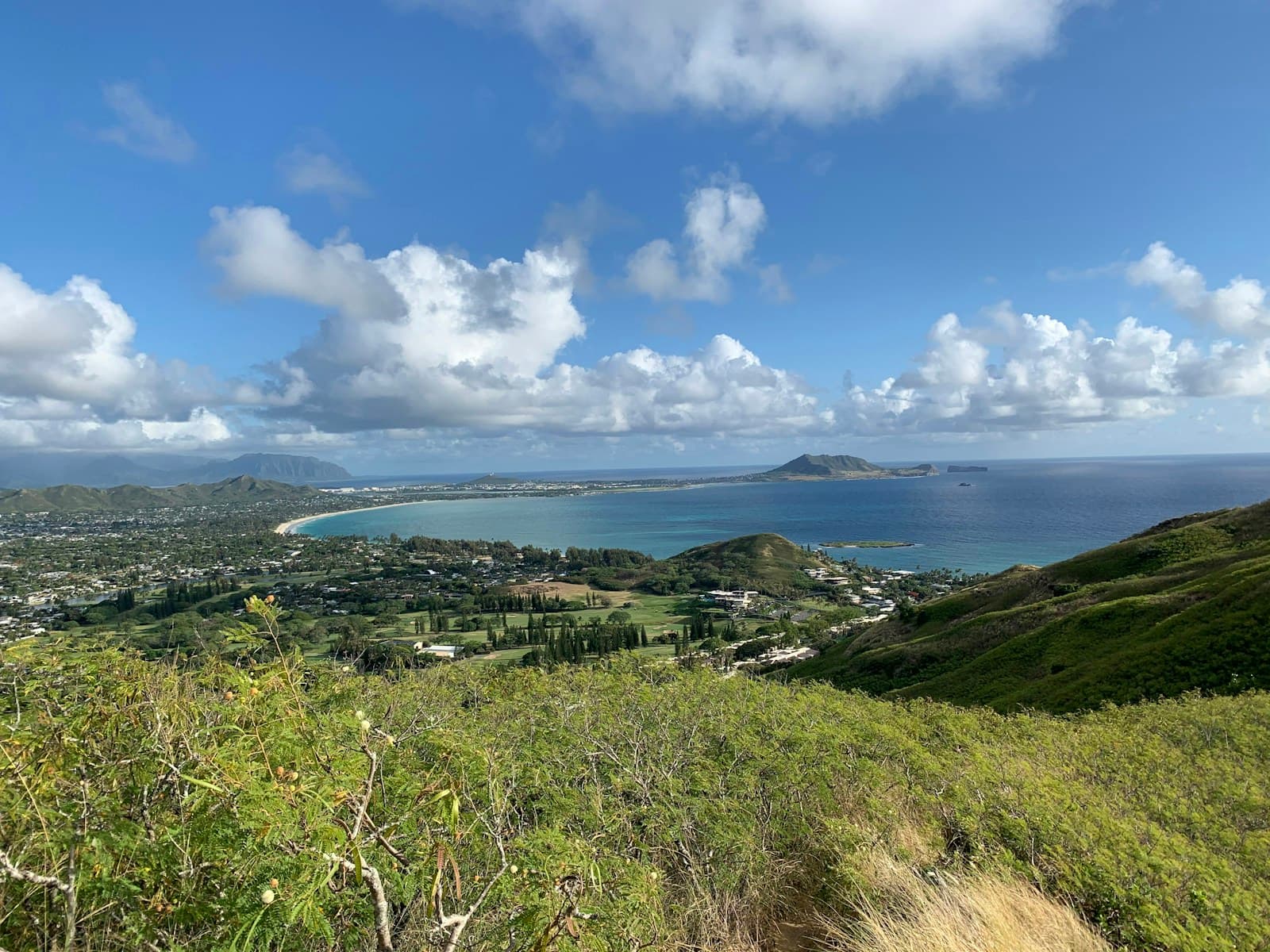
What Affects Rates in Kailua
- Teen drivers in Kailua use Kalanianaole Highway (Route 61) daily for school and work commutes, traveling between residential neighborhoods and Kailua Town or toward Honolulu. This two-lane coastal highway sees moderate speeds (35–45 mph) with tourist traffic, beach access turns, and limited passing zones. Insurers view this highway exposure as higher risk than neighborhood streets but lower than H-1 freeway merging, placing Kailua teen rates in the middle of Oahu's suburban spectrum.
- Kailua Beach Park and Lanikai Beach parking areas create collision risk for teen drivers unfamiliar with tight maneuvering around beach-goers, bikes, and surfboard-laden vehicles. Weekend and after-school beach trips by young drivers generate minor collision claims from backing incidents and door dings. Parents adding teens to policies should verify collision deductibles account for these parking lot scenarios, which occur more frequently in Kailua than inland suburban communities.
- Kailua High School on Kalanianaole Highway, Kailua Intermediate on Kuulei Road, and King Intermediate near Enchanted Lake concentrate teen driver activity in specific corridors during morning and afternoon hours. These school zones see stop-and-go traffic, pedestrian crossings, and inexperienced drivers making multiple daily trips. Insurers apply suburban school commute risk factors to Kailua teen policies, distinguishing this pattern from urban Honolulu's bus-dependent students or rural areas with longer, higher-speed school drives.
- Teen drivers working retail or restaurant jobs in Kailua Town (Kailua Road and Hahani Street) or Enchanted Lake Shopping Center commute during evening hours and weekends, adding to their annual mileage and exposure. These short suburban trips differ from longer highway commutes to Honolulu jobs, keeping Kailua teen mileage moderate. Parents should report accurate commute distances when adding teens, as Kailua's compact layout typically supports lower mileage estimates than windward communities farther from employment centers.
- Kailua's windward position brings frequent rain showers and wet road conditions that challenge teen drivers less experienced in hydroplaning and reduced visibility scenarios. Kalanianaole Highway and Pali Highway routes toward Honolulu can transition quickly from clear to rainy conditions. Teen driver training in Kailua should emphasize wet-weather braking and following distance, and parents may prioritize collision coverage over minimum liability given these conditions increase minor accident likelihood for inexperienced drivers.
See what adding a teen driver actually costs in your state
Compare quotes from carriers that offer good student discounts — most parents find savings they didn't know were available.
Get Your Free QuoteCoverage Recommendations
Cost estimates are based on available industry data and vary by driver profile. These are not insurance quotes.
Liability Insurance
Kailua's Kalanianaole Highway tourist traffic and beach corridor congestion increase likelihood of teen drivers causing multi-vehicle incidents, making higher liability limits advisable beyond state minimums.
Adds $90–$160/month for teen driversEstimated range only. Not a quote.
Collision Coverage
Kailua Beach Park and Lanikai parking areas generate frequent minor collision claims from inexperienced drivers backing into posts, bikes, or other vehicles; essential for parents with financed vehicles or protecting asset value.
Adds $120–$200/month for teen driversEstimated range only. Not a quote.
Comprehensive Coverage
Windward rain showers and street parking in Kailua Town and near beaches expose teen-driven vehicles to weather damage and minor vandalism, though theft rates remain lower than urban Honolulu.
Adds $40–$75/month for teen driversEstimated range only. Not a quote.
Uninsured Motorist Coverage
Beach parking lot hit-and-runs at Kailua and Lanikai beaches occur when out-of-state visitors or uninsured drivers leave without providing information; valuable protection for teen drivers in these high-turnover areas.
Adds $25–$50/month for teen driversEstimated range only. Not a quote.
Medical Payments Coverage
Kailua's distance from major trauma centers compared to urban Honolulu means medical transport costs add up after serious accidents on Kalanianaole or Pali highways; supplements health insurance for teen accident injuries.
Adds $15–$30/month for teen driversEstimated range only. Not a quote.