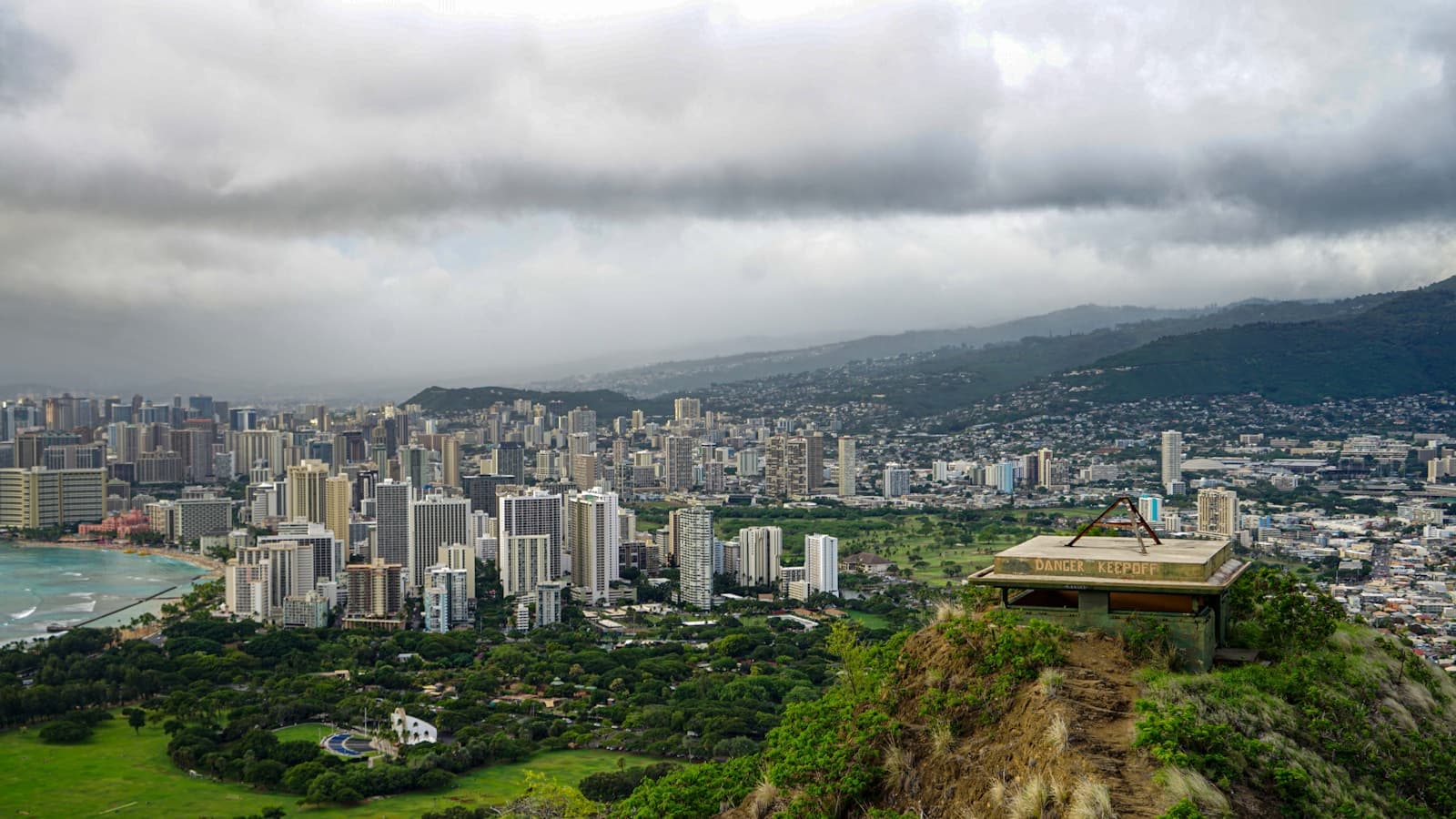
What Affects Rates in Honolulu
- Teen drivers using H-1 for school commutes to Punahou, 'Iolani, or Mid-Pacific Institute encounter rush-hour congestion between 7–9 AM and 2–4 PM with sudden slowdowns near the Punahou off-ramp and Middle Street merge. Collision coverage becomes critical for parents whose teens merge into fast-moving traffic during these windows. Carriers underwrite urban Honolulu teen drivers at higher collision risk due to H-1's accident concentration compared to North Shore or Windward routes.
- Teens working retail jobs in Ala Moana Center or restaurants along Kalakaua Avenue park in multi-level garages where door dings, sideswipes, and mirror damage are frequent. Comprehensive coverage addresses non-collision damage from shopping carts and tight parking stalls that inexperienced drivers misjudge. Parents should consider lower deductibles ($250–$500) for teens parking in high-turnover urban lots compared to suburban garages.
- Teen drivers navigating Kalakaua Avenue, Ala Wai Boulevard, or Kapiolani Boulevard face unpredictable behavior from rental car drivers unfamiliar with one-way streets and sudden U-turns near hotels. Uninsured motorist coverage protects families when tourists carry minimum mainland policies that don't cover full damages in rear-end or intersection collisions. Honolulu police data shows higher non-resident involvement in accidents along the Waikiki corridor where many teens have first jobs.
- Teen drivers attending schools or living in Manoa, Palolo, or Nuuanu valleys encounter sudden heavy rain and roadway flooding on Manoa Road and Pali Highway during afternoon storms. Comprehensive coverage addresses water damage and hydroplaning collisions that spike when inexperienced drivers don't reduce speed on slick roads. Parents should discuss weather-related driving protocols with teens commuting through valley routes prone to flash flooding advisories.
- Honolulu's urban core ZIP codes (96813, 96814, 96817) have elevated vehicle theft rates compared to East Honolulu or Hawaii Kai, increasing comprehensive premiums for teen drivers with older Honda Civics or Toyota Corollas frequently targeted. Parents adding teens to policies should verify comprehensive coverage limits match vehicle replacement cost and consider anti-theft device discounts that some carriers offer for urban Honolulu garaging addresses.
See what adding a teen driver actually costs in your state
Compare quotes from carriers that offer good student discounts — most parents find savings they didn't know were available.
Get Your Free QuoteCoverage Recommendations
Cost estimates are based on available industry data and vary by driver profile. These are not insurance quotes.
Liability Insurance
Honolulu's congested H-1 corridor and tourist-heavy Waikiki streets increase rear-end and intersection collision risk for inexperienced drivers, making limits above state minimums critical for parents protecting assets.
Required — base cost $180–$280/mo for teensEstimated range only. Not a quote.
Collision Coverage
Teen drivers navigating tight Ala Moana parking structures and sudden H-1 slowdowns near the Punahou exit generate higher collision claim frequency than suburban routes, justifying $500 deductibles for parents.
Adds $120–$220/mo for teen driversEstimated range only. Not a quote.
Comprehensive Coverage
Honolulu's urban core theft rates and flash flooding in Manoa Valley make comprehensive essential for teens parking at school lots or commuting through valley routes prone to water damage.
Adds $80–$150/mo for teen driversEstimated range only. Not a quote.
Uninsured Motorist Coverage
Tourist rental drivers on Kalakaua Avenue and Ala Wai Boulevard often carry minimum mainland policies insufficient for collision costs, making uninsured/underinsured motorist coverage vital for teens working Waikiki jobs.
Adds $40–$80/mo for teen driversEstimated range only. Not a quote.
Full Coverage Package
Parents financing vehicles for Honolulu teens face lender requirements for full coverage, with urban surcharges reflecting H-1 congestion, downtown parking risk, and higher claim frequency in metro ZIP codes.
$420–$730/mo total for teen driversEstimated range only. Not a quote.