What Affects Rates in Arlington
- Teen drivers attending Arlington Career Center or commuting to jobs in Ballston and Clarendon frequently use I-66 during peak hours, where merge lanes from Glebe Road and Fairfax Drive see elevated collision rates. The eastbound I-66 stretch between Glebe and the Roosevelt Bridge records particularly high accident frequency during afternoon rush periods when teens leave school. Parents should verify their teen has adequate collision coverage given the repair costs associated with highway-speed impacts on this corridor.
- Arlington's high concentration of street parking along residential blocks near high schools and Metro stations creates frequent low-speed collision scenarios for new drivers maneuvering in tight spaces. Teen drivers parking near Ballston Quarter, Clarendon Market Common, or Crystal City face door dings, mirror strikes, and backing accidents that trigger comprehensive and collision claims. This parking risk explains why comprehensive coverage costs more in Arlington than in less dense Virginia markets, with parents often choosing $500 deductibles to manage premiums.
- Route 50 (Arlington Boulevard) serves as a primary east-west route for teens driving between South Arlington neighborhoods and schools, with the Seven Corners approach seeing heavy teen traffic during morning drop-off hours. The mix of high-speed through traffic and frequent left turns into strip mall parking lots near Bailey's Crossroads creates collision exposure for inexperienced drivers. Parents whose teens regularly use this corridor should prioritize higher liability limits given the severe injury potential in multi-vehicle accidents at these intersections.
- Teen drivers in North Arlington near Ballston, Virginia Square, and Clarendon Metro stations often drive fewer annual miles than suburban peers because of walkable amenities and Metro access to DC employment and activities. Parents can leverage low-mileage discounts if their teen primarily uses the vehicle for weekend activities rather than daily school commutes, with some insurers offering 10–15% reductions for drivers logging under 7,500 miles annually. This urban advantage partially offsets Arlington's higher base rates for families who can document reduced teen driving exposure.
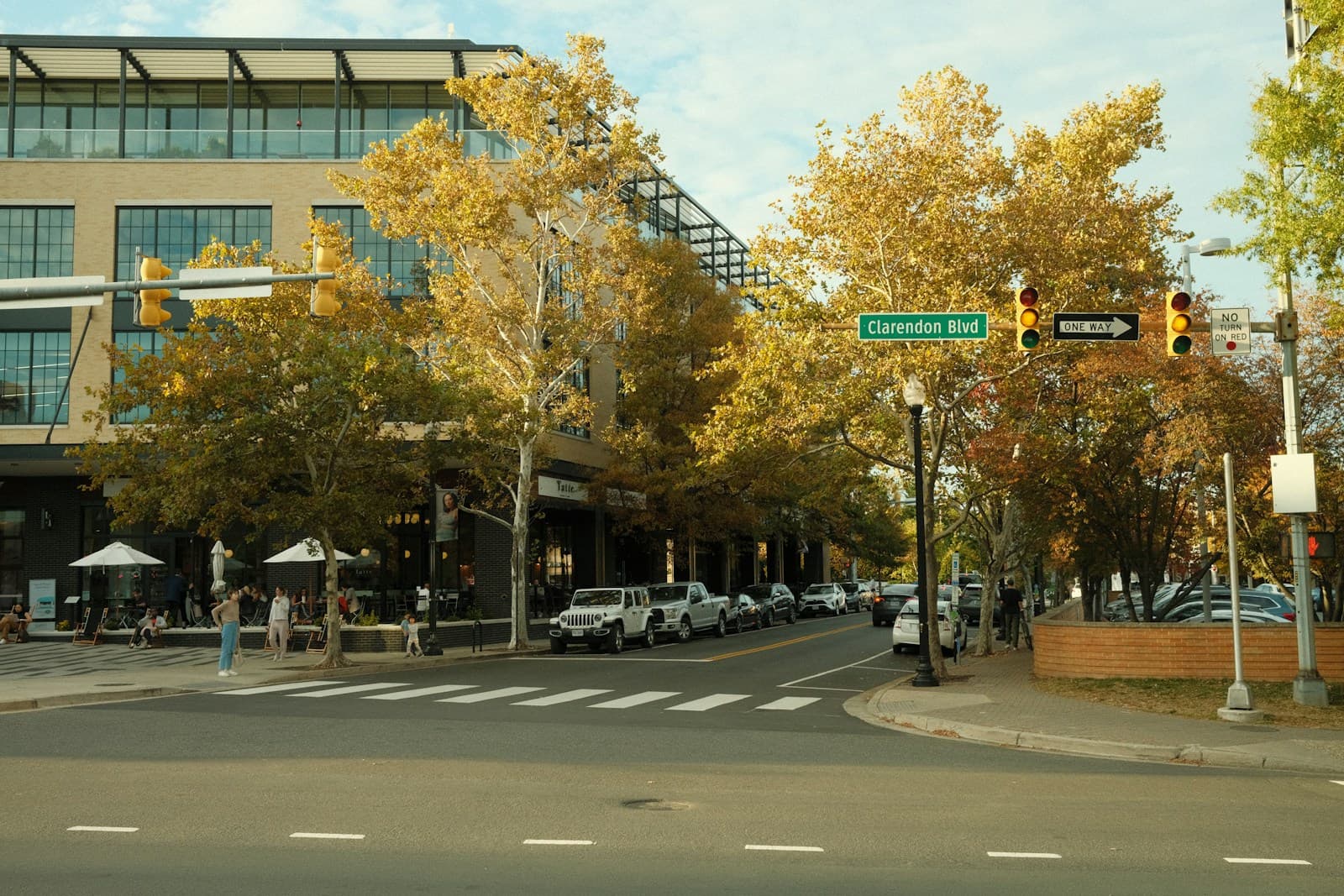
- Teen drivers working retail or restaurant jobs along the Wilson Boulevard corridor in Clarendon and Courthouse navigate dense pedestrian traffic, delivery vehicles, and angled parking during evening shifts when visibility is reduced. The combination of distracted pedestrians exiting Metro stations and frequent Uber/Lyft pickups creates elevated accident risk for new drivers unfamiliar with urban traffic patterns. Uninsured motorist coverage becomes particularly relevant on this corridor given the transient population and higher percentage of uninsured drivers in dense urban employment zones.
See what adding a teen driver actually costs in your state
Compare quotes from carriers that offer good student discounts — most parents find savings they didn't know were available.
Get Your Free QuoteCoverage Recommendations
Cost estimates are based on available industry data and vary by driver profile. These are not insurance quotes.
Liability Insurance
Arlington parents should consider 100/300/100 limits rather than state minimums given the severe injury potential in I-66 corridor accidents and the county's higher-than-average medical costs.
$180–$320/mo for teen driversEstimated range only. Not a quote.
Collision Coverage
Essential for Arlington teen drivers navigating Route 50's high-speed merge zones and Wilson Boulevard's dense commercial traffic where rear-end and sideswipe collisions occur frequently during school commute hours.
$140–$260/mo for teen driversEstimated range only. Not a quote.
Comprehensive Coverage
Arlington's urban parking density near Metro stations and apartment complexes creates higher theft and vandalism risk, with vehicles parked overnight in Clarendon and Ballston seeing elevated claim rates.
$85–$150/mo for teen driversEstimated range only. Not a quote.
Uninsured Motorist Coverage
Critical in Arlington where transient populations and shared vehicles in urban corridors result in a higher percentage of uninsured drivers than suburban Virginia markets, particularly along Columbia Pike.
$45–$85/mo for teen driversEstimated range only. Not a quote.
Medical Payments Coverage
Provides immediate medical cost coverage for teen drivers injured on high-speed corridors like I-66 where Arlington's trauma centers treat serious injuries, avoiding out-of-pocket expenses while liability claims settle.
$25–$50/mo for teen driversEstimated range only. Not a quote.