What Affects Rates in Charleston
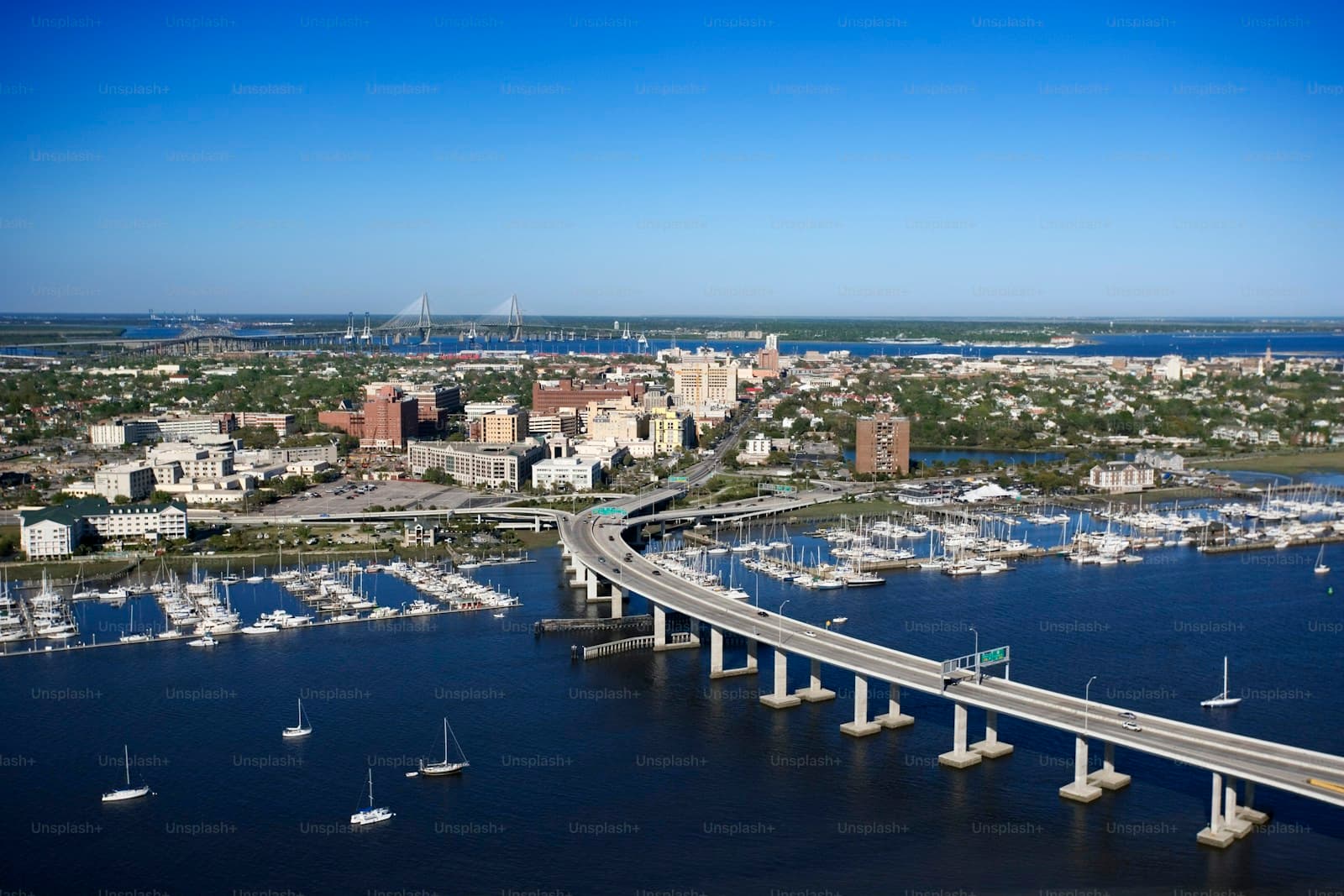
- Teen drivers commuting to schools like Wando High School, Academic Magnet, or Charleston Charter School navigate heavy traffic on US-17 and I-526 during morning rush periods. The Ravenel Bridge and Mark Clark Expressway represent high-speed merging challenges for new drivers, with fender-benders common during the 7:00–8:30 AM school window. Parents should verify collision coverage deductibles account for Charleston's above-average urban accident frequency.
- Teens working retail jobs on King Street or attending College of Charleston events face tight parallel parking on narrow historic streets with limited visibility. The downtown grid between Calhoun Street and Battery Park sees frequent door dings, sideswipe collisions, and backing accidents in metered spaces. Comprehensive and collision coverage becomes more critical in Charleston's dense parking environment than in suburban South Carolina markets.
- Charleston teen drivers encounter sudden afternoon thunderstorms with heavy rain and flash flooding on low-lying roads like Septima Clark Parkway and Lockwood Boulevard during summer months. Hurricane evacuation protocols and tropical storm flooding create distinct driving hazards absent in Upstate South Carolina cities. Parents adding teens should confirm uninsured motorist coverage, as temporary evacuees from other states increase unlicensed driver risk during storm events.
- Teens living in Mount Pleasant and attending Charleston-based schools cross the Ravenel Bridge twice daily, exposing them to high-speed traffic and sudden slowdowns near downtown exits. Coleman Boulevard congestion near Wando High School and US-17 retail corridors around Towne Centre create stop-and-go conditions where rear-end collisions frequently occur. The bridge toll system requires teens to navigate merge lanes while managing SunPass readers, adding distraction risk.
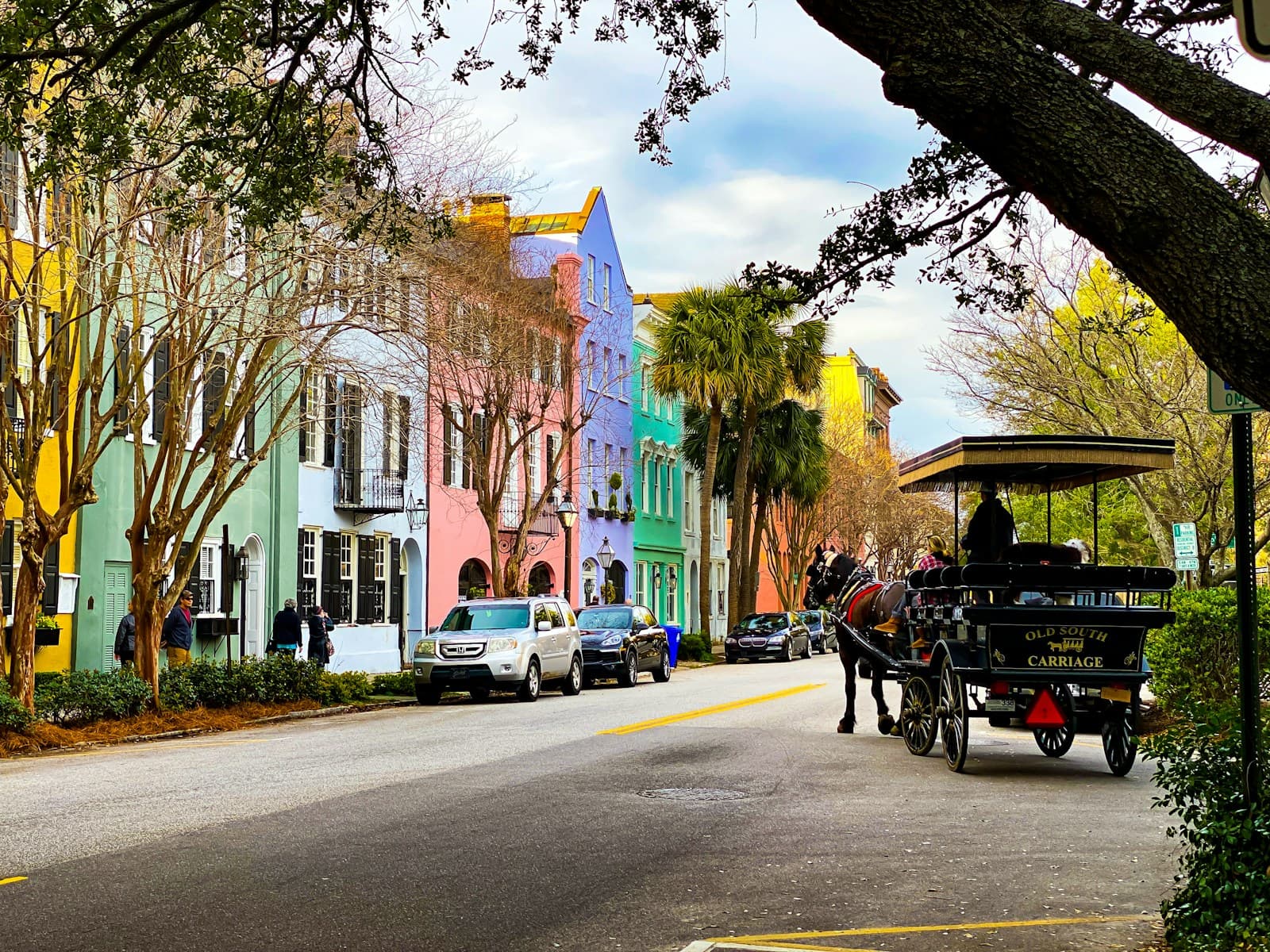
- Teens driving through the historic district encounter pedestrian-heavy zones near Market Street and Waterfront Park, where tourists cross mid-block and carriage tours create unexpected stops. Summer months see triple the foot traffic, raising liability exposure if a teen driver strikes a pedestrian in crosswalks along East Bay Street. Parents should prioritize higher liability limits than state minimums given Charleston's elevated pedestrian-collision risk compared to rural South Carolina counties.
See what adding a teen driver actually costs in your state
Compare quotes from carriers that offer good student discounts — most parents find savings they didn't know were available.
Get Your Free QuoteCoverage Recommendations
Cost estimates are based on available industry data and vary by driver profile. These are not insurance quotes.
Liability Insurance
Charleston's pedestrian-heavy downtown and Market Street tourist zones require higher liability limits than state minimums to protect against costly pedestrian-collision claims.
State minimum increases premium $200–$350/mo for teens; 100/300/100 limits add $250–$450/moEstimated range only. Not a quote.
Collision Coverage
Narrow streets in the historic peninsula district and tight parallel parking on King Street make collision coverage essential for Charleston teen drivers navigating urban parking challenges.
Adds $120–$220/mo for teen drivers; $500 deductible typicalEstimated range only. Not a quote.
Comprehensive Coverage
Charleston's coastal location brings hurricane flooding risk on low-lying roads like Septima Clark and afternoon thunderstorms that cause water damage teens may not recognize until too late.
Adds $60–$110/mo for teen drivers; lower deductibles recommended for flood-prone areasEstimated range only. Not a quote.
Uninsured Motorist Coverage
Tourist traffic and hurricane evacuees increase the presence of out-of-state and unlicensed drivers on Charleston roads, particularly during summer and storm season.
Adds $40–$80/mo for teen drivers; matches liability limits in most policiesEstimated range only. Not a quote.
Medical Payments Coverage
High-speed merges on the Ravenel Bridge and I-526 create elevated injury risk for inexperienced Charleston teen drivers navigating highway traffic during school commutes.
Adds $15–$35/mo for $5,000 in coverageEstimated range only. Not a quote.