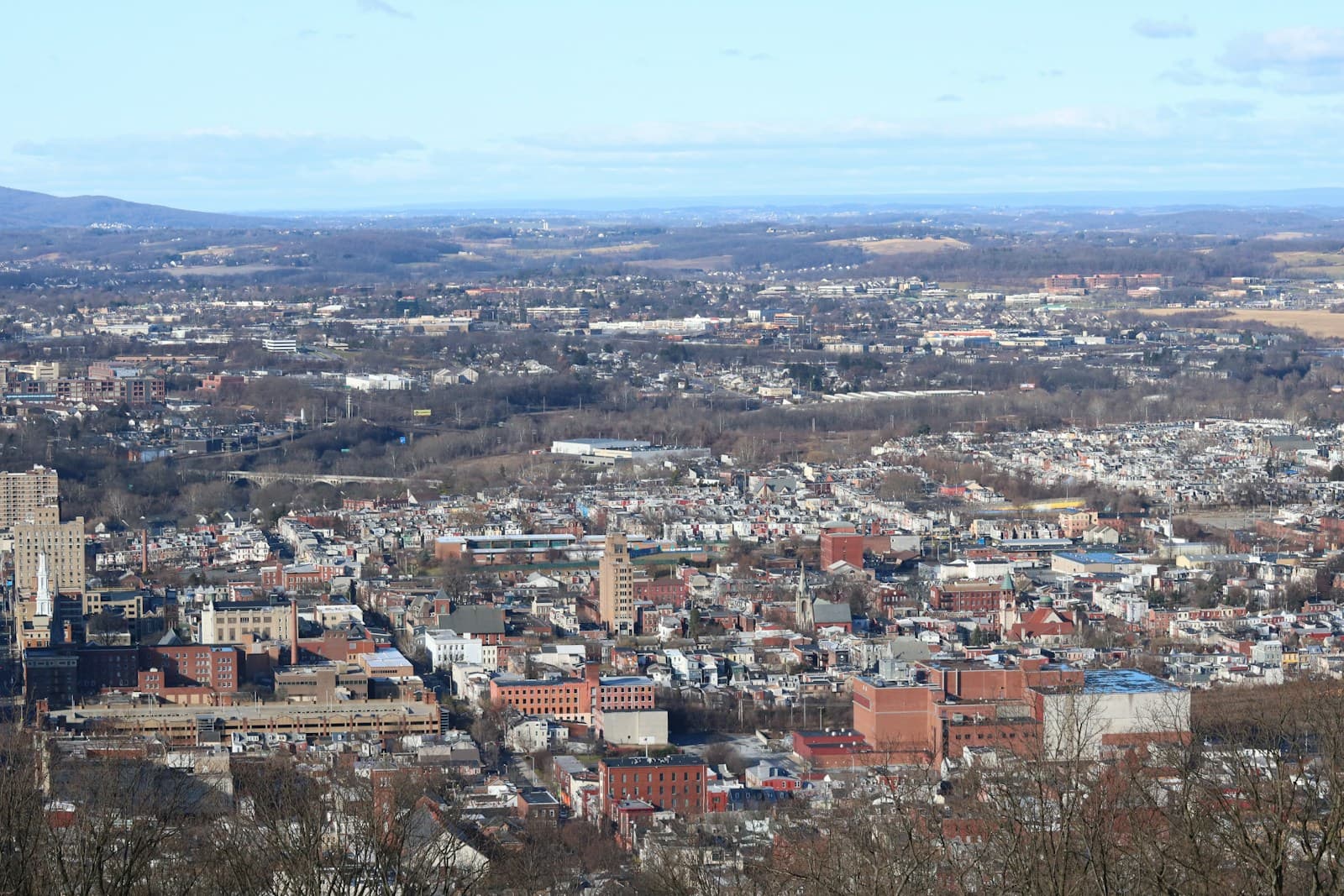
What Affects Rates in Reading
- Teen drivers in Reading frequently navigate Route 222, which runs through the city's commercial corridor with multiple merge points, traffic signals, and shopping center entrances. The combination of stop-and-go traffic, sudden lane changes, and inexperienced drivers increases rear-end collision risk. Parents whose teens commute through this corridor for school or work at Park City Center should consider collision coverage given the frequency of minor accidents.
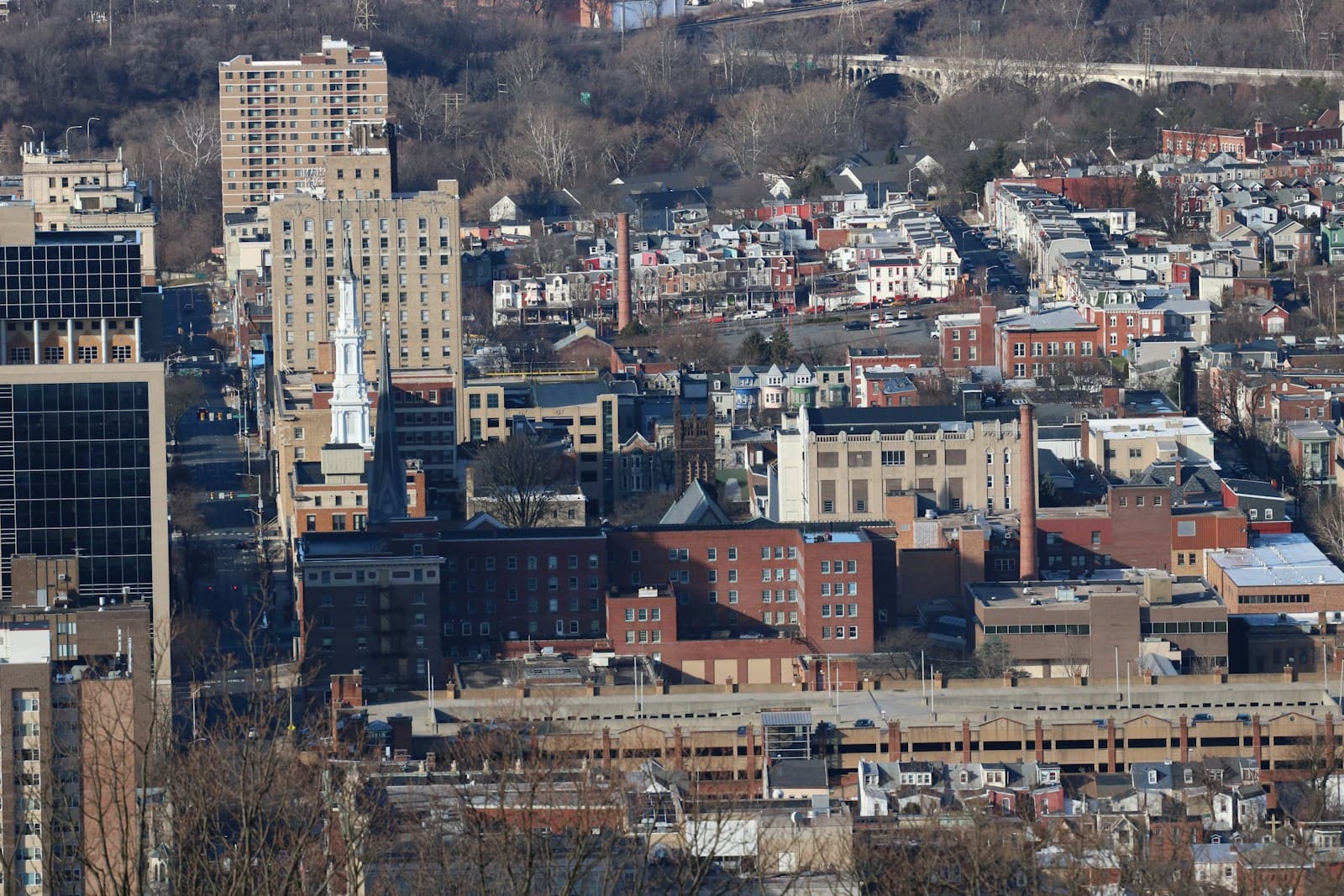
- Penn Street through downtown Reading presents tight parallel parking, pedestrian crossings near the Santander Arena and Pagoda Plaza, and narrow lanes that challenge new drivers. Teen drivers attending Reading High School or working downtown face daily parking and navigation stress that increases minor collision and parking-related claims. Urban congestion here makes comprehensive coverage more relevant than in Pennsylvania's suburban markets.
- Teen drivers in Reading's hillier neighborhoods like Mount Penn and Wyomissing face steep grades that become hazardous during Pennsylvania winters. Black ice on hills like Skyline Drive and Neversink Mountain Road creates slide-off risk for inexperienced drivers unfamiliar with winter braking. Parents should verify their teen completes winter driving practice before solo trips on elevated routes.
- Reading's urban core has higher uninsured motorist rates compared to surrounding Berks County suburbs, making uninsured motorist coverage particularly important when adding a teen driver. If another driver hits your teen and lacks insurance, UM coverage protects your family from out-of-pocket costs. Given Reading's rate environment, parents should prioritize UM/UIM at or above Pennsylvania's minimum limits.
- Teen drivers in Reading often commute between residential neighborhoods in Hampden Heights or Grill to Reading High School on 13th Street, or to Wilson High School just outside city limits. Morning rush between 7–8 AM on North 5th Street and Route 183 increases accident exposure for student drivers. Parents can reduce premiums by limiting their teen's driving to off-peak hours initially or using telematics programs that monitor and reward safe driving behavior.
See what adding a teen driver actually costs in your state
Compare quotes from carriers that offer good student discounts — most parents find savings they didn't know were available.
Get Your Free QuoteCoverage Recommendations
Cost estimates are based on available industry data and vary by driver profile. These are not insurance quotes.
Liability Insurance
Reading's dense downtown traffic on Penn Street and pedestrian areas near Santander Arena increase liability exposure for inexperienced drivers navigating tight spaces.
Required — teen drivers: $180–$320/moEstimated range only. Not a quote.
Collision Coverage
Route 222's stop-and-go traffic and frequent merge points make rear-end collisions common for Reading teen drivers learning throttle and brake control.
Teen drivers: adds $110–$190/moEstimated range only. Not a quote.
Comprehensive Coverage
Urban parking in Reading's downtown and near Reading High School increases vandalism and theft risk compared to suburban Pennsylvania districts.
Teen drivers: adds $45–$85/moEstimated range only. Not a quote.
Uninsured Motorist Coverage
Reading's urban core has higher uninsured driver rates than surrounding Berks County, making UM coverage critical when adding a young driver to your policy.
Teen drivers: adds $30–$70/moEstimated range only. Not a quote.
Medical Payments Coverage
MedPay provides immediate coverage for emergency room visits after accidents on Reading's high-traffic corridors without waiting for liability determination.
Optional — adds $15–$35/moEstimated range only. Not a quote.