What Affects Rates in Portland
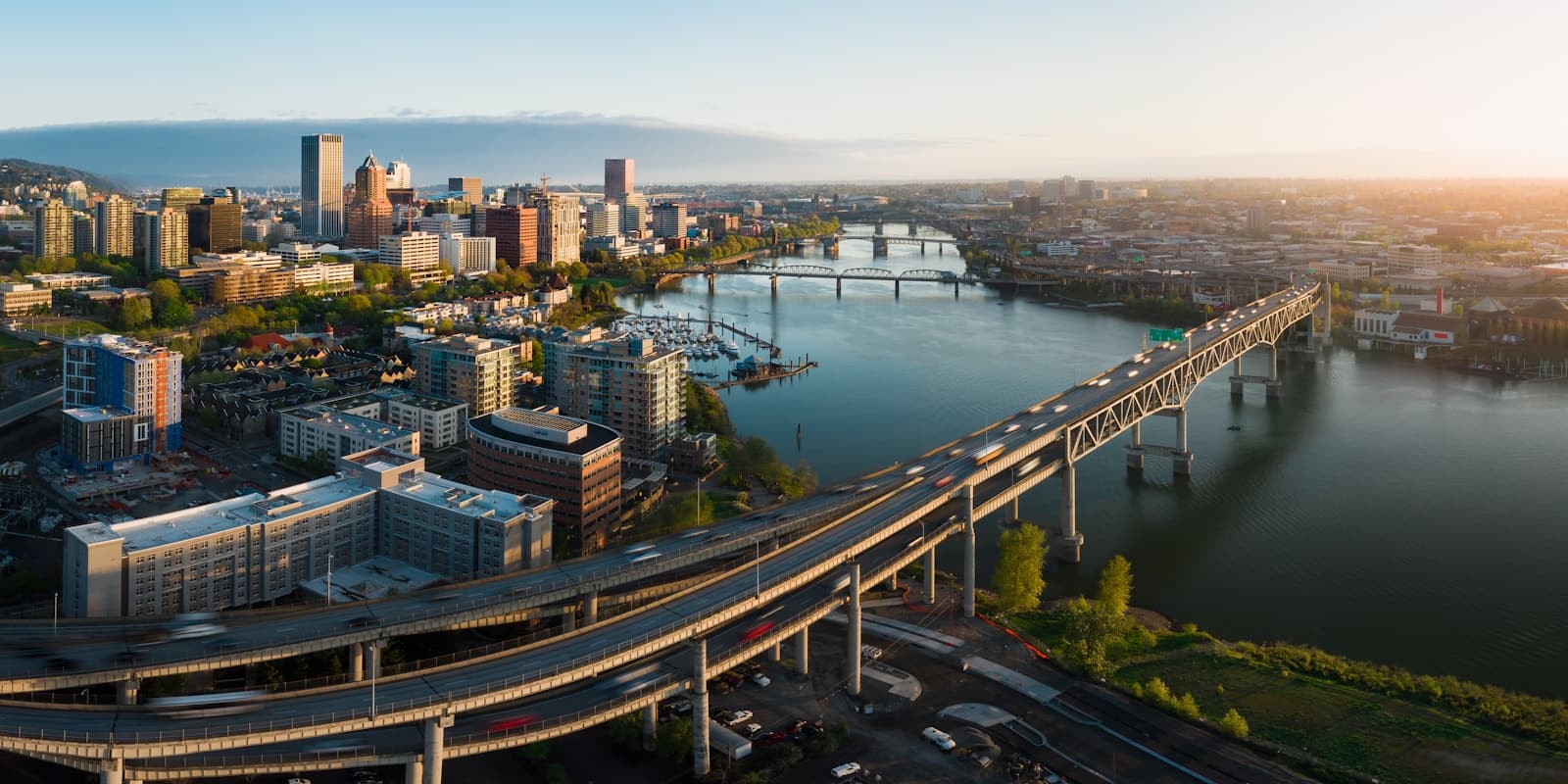
- Teens attending Lincoln, Grant, or Cleveland high schools often navigate congested bridge routes across the Willamette River during peak hours. The Ross Island, Burnside, and Morrison bridges funnel traffic into merge-heavy patterns where inexperienced drivers face elevated rear-end collision risk. Parents should evaluate collision coverage deductibles based on whether their teen's school commute requires daily bridge crossings.
- 82nd Avenue between Powell and Killingsworth records some of Portland's highest pedestrian and vehicle accident rates, with multiple high schools and teen employment centers along this stretch. Teens working retail shifts at Mall 205 or commuting to David Douglas or Parkrose high schools face four-lane traffic, frequent bus stops, and inconsistent crosswalk visibility. This corridor's accident density makes uninsured motorist coverage particularly relevant, as Portland's uninsured driver rate exceeds 15%.
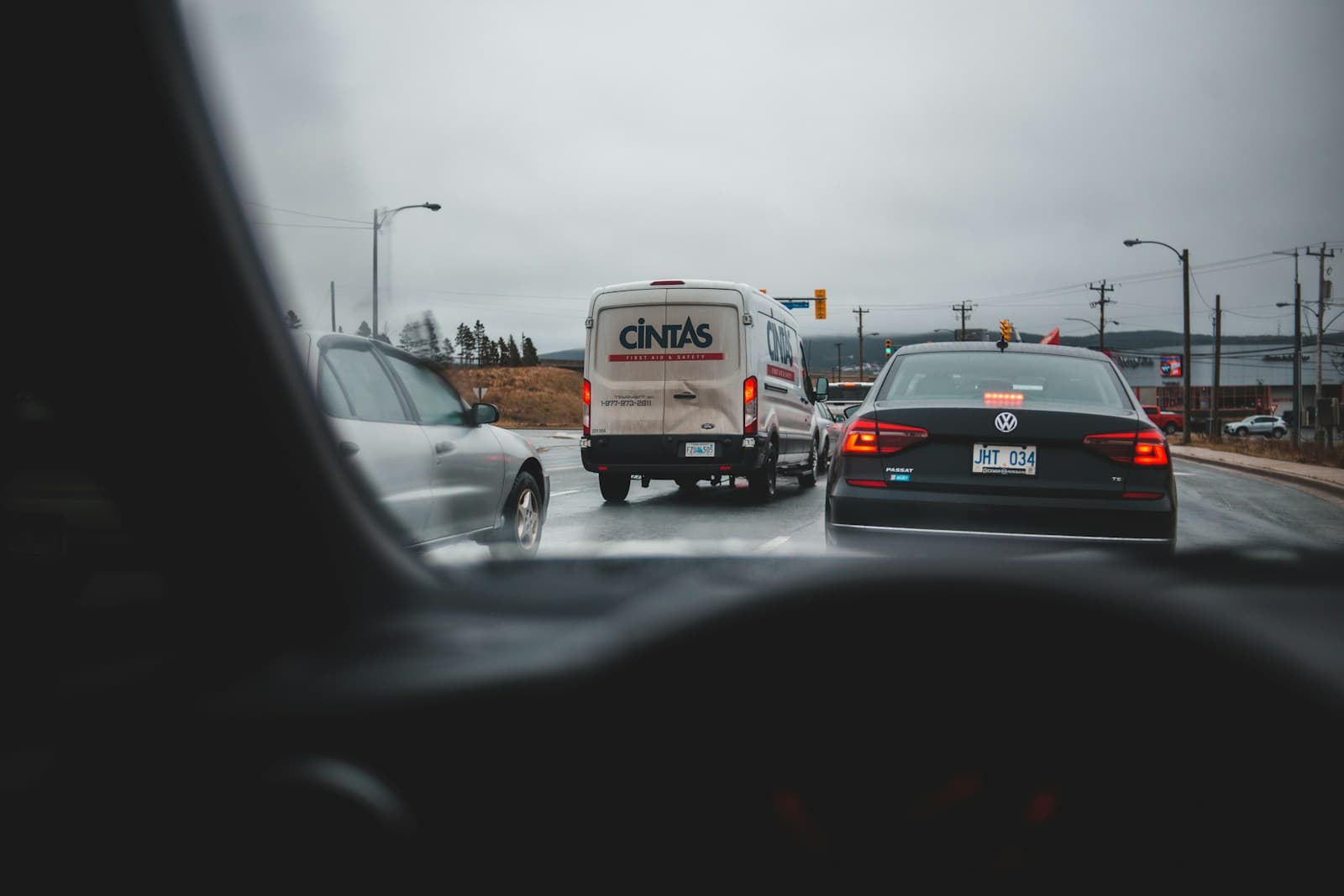
- Portland averages 43 inches of annual rainfall concentrated October through May, overlapping with the school year when teen drivers log most miles. Wet pavement on I-5 through the Rose Quarter and Highway 26 through the West Hills increases stopping distances, while morning fog in outer East Portland reduces visibility for teens driving to early classes. Comprehensive coverage becomes more valuable for parents whose teens park at uncovered school lots where weather-related damage occurs.
- Downtown Portland and the Lloyd District see elevated vehicle break-in rates, affecting teens attending Portland State University or working service jobs in the Pearl District and Old Town. Comprehensive coverage addresses theft and vandalism common in street-parking areas near Pioneer Courthouse Square and the transit mall. Parents should assess whether their teen's daily parking location justifies lower comprehensive deductibles.
- Teens in outer Portland neighborhoods like Lents, Cully, and Powellhurst-Gilbert typically drive longer distances on higher-speed roads including I-205 and Highway 212 to reach schools and jobs. These suburban patterns shift risk from parking incidents to highway-speed collisions, where liability limits become critical. Parents in East Portland should prioritize higher liability coverage over comprehensive when teens primarily drive highway routes to Clackamas or Gresham.
See what adding a teen driver actually costs in your state
Compare quotes from carriers that offer good student discounts — most parents find savings they didn't know were available.
Get Your Free QuoteCoverage Recommendations
Cost estimates are based on available industry data and vary by driver profile. These are not insurance quotes.
Liability Insurance
Portland's congested bridge approaches and I-5 corridor through downtown create multi-vehicle accident scenarios where minimum 25/50/20 limits may prove insufficient for inexperienced drivers.
Required — 100/300/100 recommended for teen driversEstimated range only. Not a quote.
Uninsured Motorist Coverage
With Portland's uninsured driver rate exceeding 15%, teens navigating high-traffic areas like 82nd Avenue and Powell Boulevard face elevated hit-and-run risk during evening commutes.
Adds $35–$65/mo for teen driversEstimated range only. Not a quote.
Collision Coverage
Essential for teens driving rain-slicked bridge decks and frequent stop-and-go traffic on Highway 26 through the Vista Ridge Tunnel, where rear-end collisions spike during wet months.
Adds $180–$320/mo for teen driversEstimated range only. Not a quote.
Comprehensive Coverage
Portland's high vehicle break-in rates downtown and in the Pearl District make this valuable for teens parking near PSU or working evening retail shifts at Pioneer Place.
Adds $55–$110/mo for teen driversEstimated range only. Not a quote.
Medical Payments Coverage
Supplements health insurance for teens carpooling to Benson, Franklin, or Roosevelt high schools along busy arterials where injury accidents occur more frequently than in suburban Oregon.
Adds $15–$30/mo for teen driversEstimated range only. Not a quote.