What Affects Rates in Fargo
- Teen drivers in Fargo frequently use I-29 for north-south travel between residential neighborhoods and Davies High or West Acres, and I-94 for westbound commutes to NDSU or Moorhead employers. Suburban Fargo's spread-out layout means teens log more highway miles than those in compact North Dakota towns, and interstate accidents involving young drivers increase collision claim frequency. Parents should verify teen drivers complete supervised highway practice before solo interstate driving, as reaction time and merge judgment develop with experience.
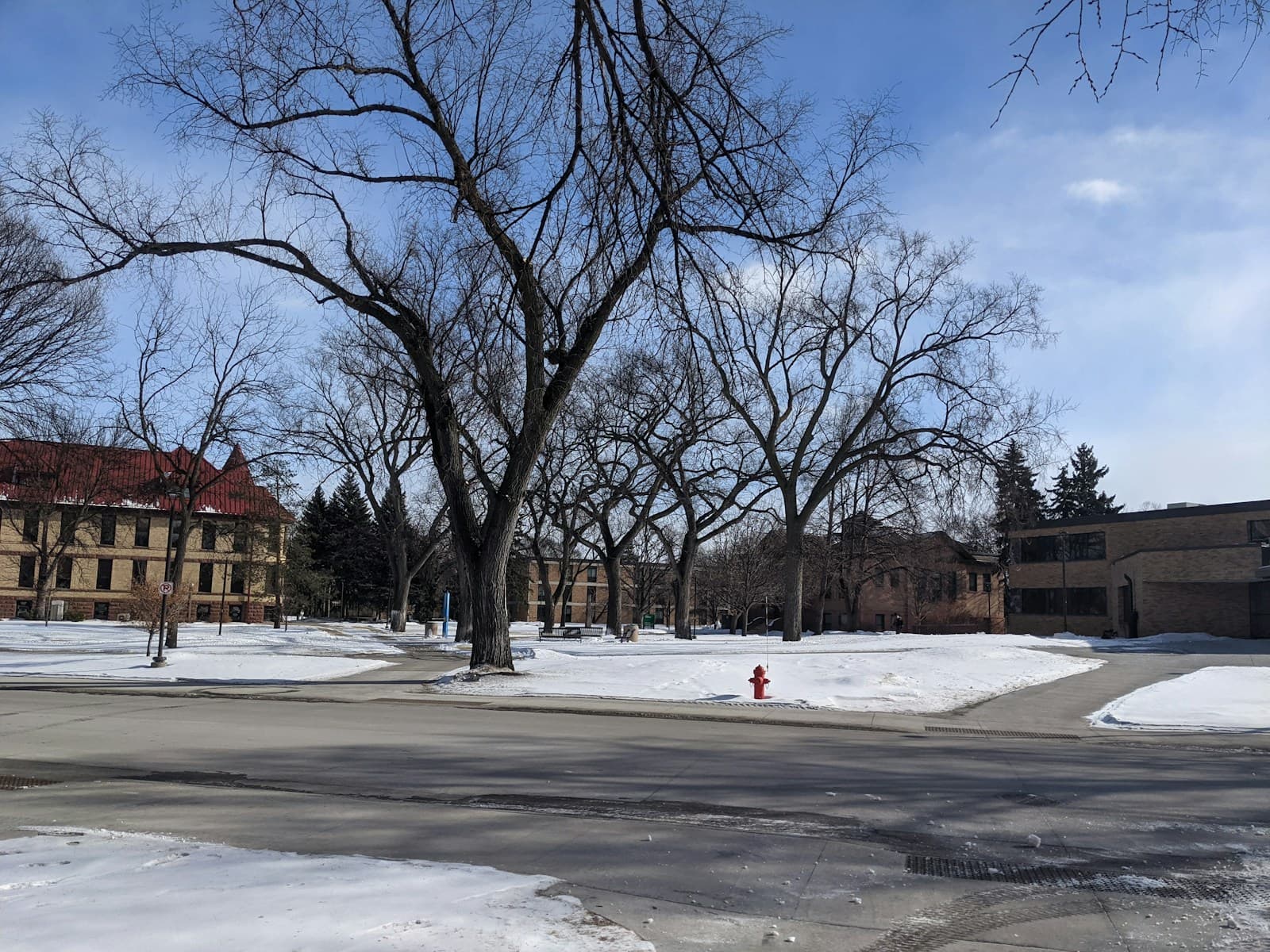
- Fargo's Red River Valley location creates prolonged winter driving from November through March, with frequent snowfall, black ice, and wind-driven whiteouts on flat terrain. Teen drivers face reduced visibility on 13th Avenue South, 45th Street, and Main Avenue during morning school commutes, and parking lots at West Acres or Scheels see fender-benders when inexperienced drivers misjudge braking distances on ice. Collision coverage becomes essential for parents whose teens drive older vehicles without advanced stability control, as even minor slide-offs on University Drive or 32nd Avenue South result in $2,000+ repair bills.
- Fargo's three main high schools—North, South, and Davies—create concentrated teen traffic on University Drive, 17th Avenue South, and 45th Street during 7:30–8:00 AM and 3:00–3:30 PM. NDSU students aged 18–22 add density around 19th Avenue North and University Drive, where parking challenges and distracted pedestrians increase low-speed accident risk. Parents adding 16–17-year-olds should confirm full coverage if the teen drives a financed vehicle, as parking lot claims in these corridors are common and comprehensive coverage addresses hit-and-run damage when the other driver flees.
- Teen employment at West Acres Mall, south-side Scheels, or 13th Avenue South retail requires evening and weekend driving when Fargo roads are less congested but winter darkness and fatigue increase risk. Young drivers working closing shifts navigate poorly lit parking areas and icy intersections at 45th Street and 13th Avenue South, where December through February black ice creates slide-through incidents. Uninsured motorist coverage matters in Fargo's suburban zones, as approximately 6–8% of North Dakota drivers lack insurance and hit-and-run rates rise in high-traffic retail areas.
- North Dakota's graduated licensing restricts 16-year-olds from driving between midnight and 5 AM, but Fargo parents should layer telematics programs that monitor nighttime driving, hard braking on I-29, and speeds exceeding 75 MPH on interstate stretches. Telematics discounts range from 10–20% and provide parents real-time alerts when teens exceed speed thresholds on University Drive or exhibit risky lane changes merging onto I-94. These programs reduce rates while building accountability, particularly valuable for Fargo's 17–18-year-olds transitioning to unrestricted licenses.
See what adding a teen driver actually costs in your state
Compare quotes from carriers that offer good student discounts — most parents find savings they didn't know were available.
Get Your Free QuoteCoverage Recommendations
Cost estimates are based on available industry data and vary by driver profile. These are not insurance quotes.
Liability Insurance
Fargo's I-29 and I-94 interstate corridors increase multi-vehicle accident exposure for inexperienced drivers, making higher liability limits (100/300/100) advisable for parents protecting household assets.
State minimum: ~$40–$70/mo; Recommended limits add $15–$30/moEstimated range only. Not a quote.
Collision Coverage
Black ice on 13th Avenue South, 45th Street, and University Drive from November through March creates frequent slide-offs and rear-end collisions for Fargo teen drivers learning winter braking techniques.
Adds $80–$180/mo for teen driversEstimated range only. Not a quote.
Comprehensive Coverage
Fargo's Red River Valley location brings severe hail risk during spring and summer months, and West Acres or south-side retail parking lots see occasional vehicle break-ins targeting items visible in teen drivers' cars.
Adds $30–$70/mo for teen driversEstimated range only. Not a quote.
Uninsured Motorist Coverage
Approximately 6–8% of North Dakota drivers lack insurance, and Fargo's busy 13th Avenue South and I-29 interchanges see hit-and-run incidents where uninsured motorist coverage becomes the only recovery option.
Adds $10–$25/moEstimated range only. Not a quote.
Medical Payments Coverage
Fargo's interstate speeds on I-29 and I-94 increase injury severity in teen driver accidents, and MedPay provides immediate coverage for emergency room visits at Sanford or Essentia Health without waiting for liability determination.
Adds $5–$15/mo for $5,000 coverageEstimated range only. Not a quote.