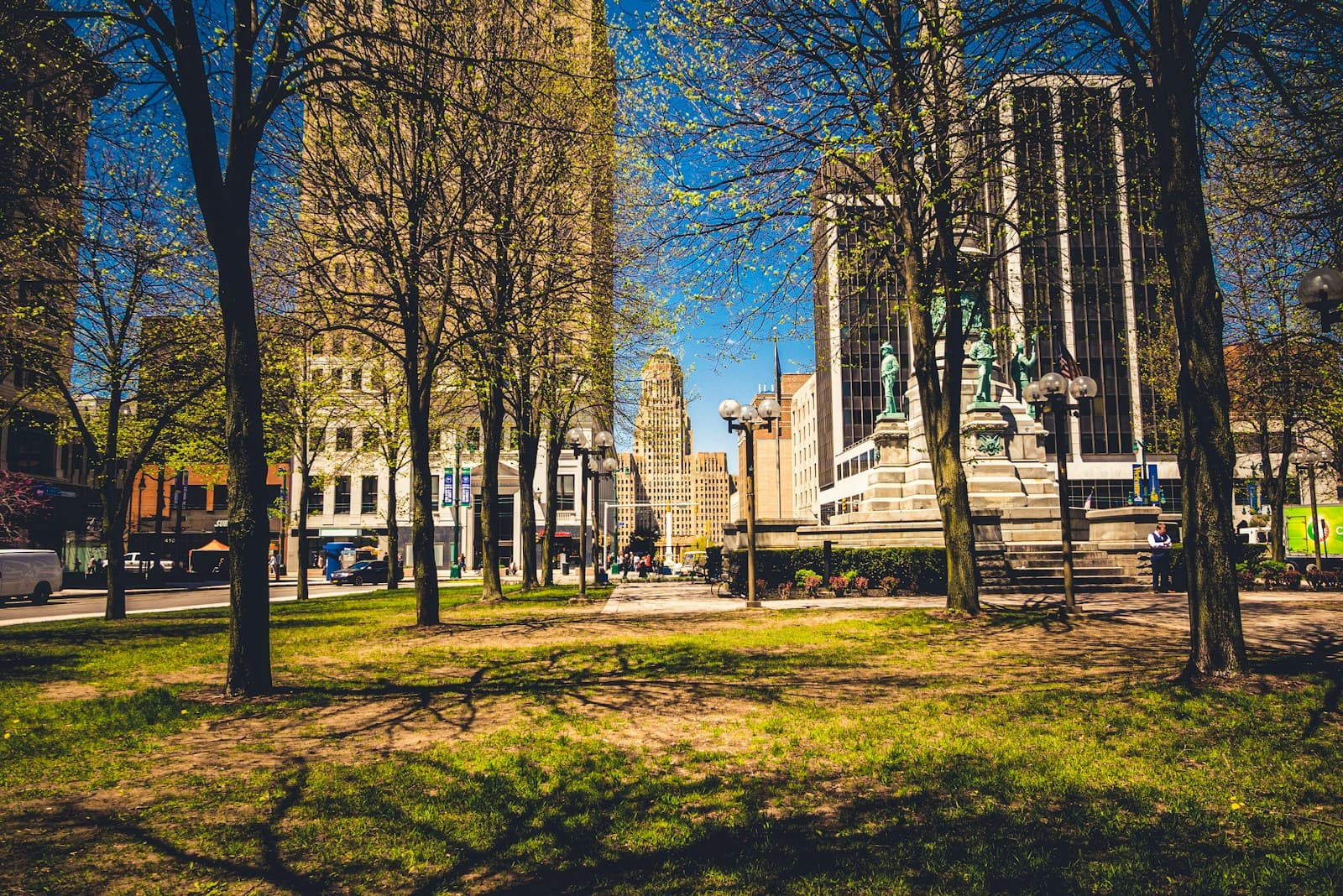
What Affects Rates in Buffalo
- Buffalo teens driving to schools like Canisius High School, City Honors, or Hutch Tech face lake-effect snow from November through March, creating slick conditions on the Scajaquada Expressway and surface streets. First-winter drivers encounter black ice on the I-190 corridor and poor visibility during squalls, leading insurers to price teen policies higher during initial coverage years. Collision coverage becomes essential rather than optional for vehicles teens drive regularly in these conditions.
- Teen drivers parking near University at Buffalo South Campus, Buffalo State, or Canisius College face higher rates of vehicle break-ins and minor parking lot collisions than suburban counterparts. Comprehensive coverage protects against theft and vandalism common in Elmwood Village, Allentown, and downtown parking areas where many teens work part-time jobs. Insurers apply urban rating territories to addresses in the 14201, 14202, 14209, and 14222 ZIP codes, increasing premiums for young drivers by 12–18% compared to Amherst or Clarence rates.
- Teens commuting from North Buffalo or Kenmore into downtown for school or work navigate the I-190 waterfront corridor and the Kensington Expressway (Route 33), both seeing frequent rush-hour congestion and winter weather pileups. Higher traffic density increases collision risk for inexperienced drivers merging near the Peace Bridge exits or navigating the Scajaquada construction zones. Parents should prioritize liability limits of 100/300/100 minimum given the frequency of multi-vehicle accidents on these routes during morning and evening commutes.
- Erie County's uninsured motorist rate hovers near 15%, meaning Buffalo teen drivers face significant risk of being hit by drivers without coverage, particularly on high-traffic routes like Main Street, Niagara Falls Boulevard, and Delaware Avenue. Uninsured motorist coverage becomes critical protection when a teen driver is not at fault but the other party lacks insurance to cover medical bills or vehicle damage. This coverage typically adds $15–$30/month but protects against thousands in out-of-pocket costs common in urban hit-and-run or uninsured driver scenarios.
- Buffalo-area teens attending City Honors School, Nichols School, or participating in driver education programs through AAA Western and Central New York can qualify for good student discounts (3.0+ GPA) and driver training discounts that reduce premiums by 15–25%. Parents should request transcript submission and completion certificates from programs like the New York State DMV's Pre-Licensing Course, which specifically lowers rates for drivers under 18. These discounts are stackable with telematics programs that monitor driving behavior, providing additional 10–20% savings for safe Buffalo-area driving patterns.
See what adding a teen driver actually costs in your state
Compare quotes from carriers that offer good student discounts — most parents find savings they didn't know were available.
Get Your Free QuoteCoverage Recommendations
Cost estimates are based on available industry data and vary by driver profile. These are not insurance quotes.
Liability Insurance
Buffalo's congested I-190 and Delaware Avenue corridors increase multi-vehicle accident risk for inexperienced drivers, making 100/300/100 limits advisable over state minimums.
Minimum required; higher limits add $30–$60/moEstimated range only. Not a quote.
Collision Coverage
Lake-effect snow and black ice on the Scajaquada Expressway and Kensington Expressway create frequent winter collisions for first-year Buffalo drivers, making this coverage essential during November–March.
$150–$280/mo for teen driversEstimated range only. Not a quote.
Comprehensive Coverage
Teens parking near University at Buffalo, Buffalo State, or working downtown in the 14202 ZIP code face higher vehicle break-in rates and vandalism than suburban areas.
$40–$85/mo for teen driversEstimated range only. Not a quote.
Uninsured Motorist Coverage
With Erie County's uninsured motorist rate near 15%, Buffalo teen drivers on Main Street and Niagara Falls Boulevard face significant risk of being hit by uninsured drivers.
$15–$30/mo added protectionEstimated range only. Not a quote.
Full Coverage Package
Buffalo's combination of winter weather, urban theft risk, and high uninsured driver rates makes full coverage the recommended option for parents adding teen drivers to their policy.
$320–$550/mo total for teen driversEstimated range only. Not a quote.