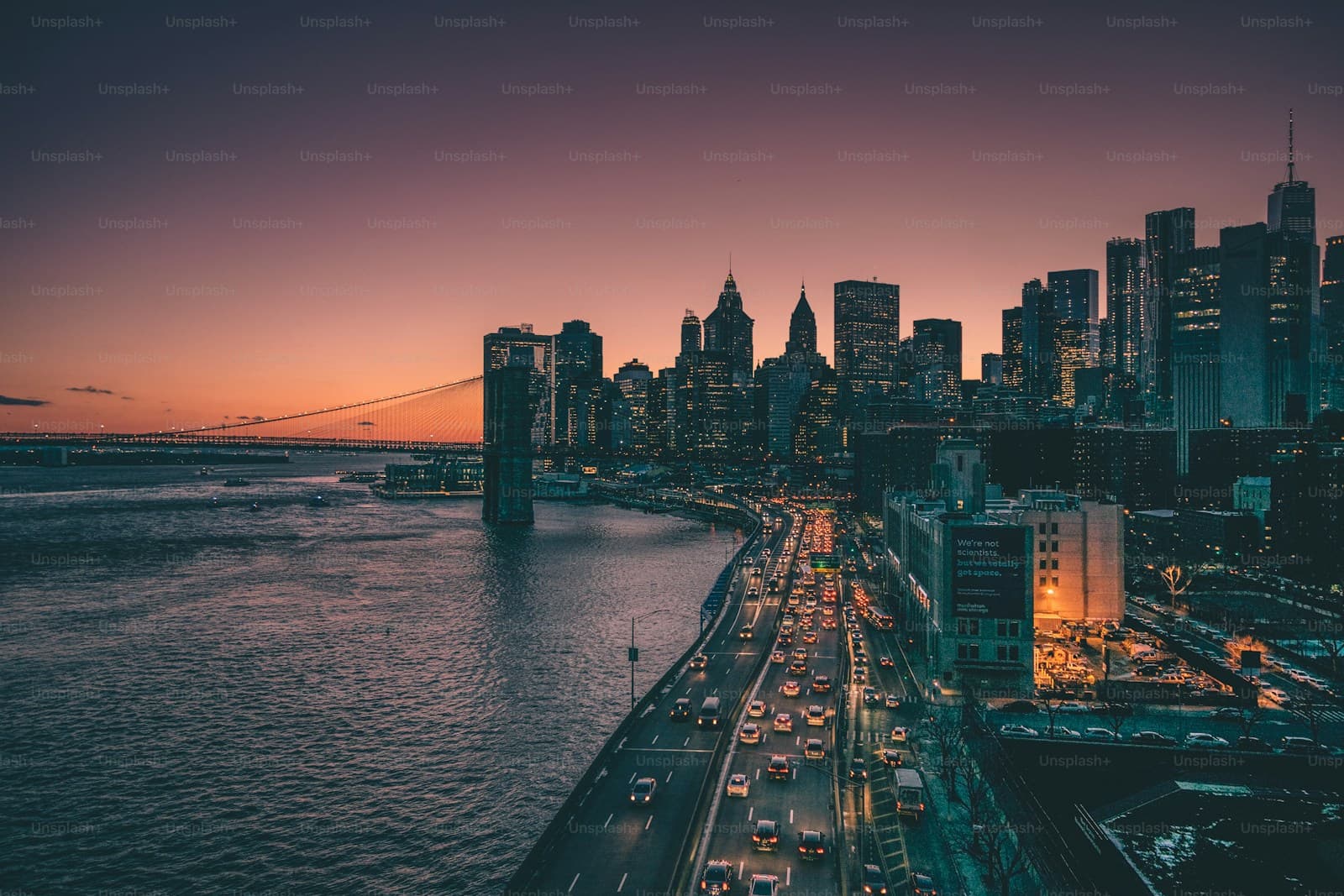
What Affects Rates in Albany
- Teen drivers commuting to Albany High School or Shaker High School often use I-787 during morning rush hours, where merge conflicts at the Route 9 interchange and sudden slowdowns near the Port of Albany create elevated rear-end collision risk. Parents whose teens regularly navigate this corridor typically prioritize collision coverage over state minimum liability given repair costs for even minor highway accidents.
- Teen drivers attending classes at University at Albany's downtown campus or working retail jobs on Lark Street face tight parallel parking on Pearl Street and State Street, where door dings and mirror damage occur frequently in Albany's narrow historic blocks. Comprehensive coverage becomes more valuable in these congestion zones than in suburban Guilderland or Colonie where parking lot spacing reduces contact risk.
- Albany's position in the Hudson Valley creates lake-effect snow from November through April, with black ice forming regularly on Washington Avenue hill and Western Avenue overpasses where teen drivers often brake too late. Parents teaching winter driving skills face a longer learning curve than downstate New York families, making graduated licensing restrictions particularly important during the first winter months after licensure.
- Teen drivers living in Slingerlands or Delmar transition between 55 mph zones on Route 85 and 30 mph residential areas within short distances, a pattern that contributes to speed-related violations for inexperienced drivers unfamiliar with Albany's quick suburban-to-urban shifts. These tickets increase insurance surcharges significantly, making telematics programs that monitor speed transitions especially cost-effective for Albany County parents.
- Many Albany teens work evening retail shifts at Crossgates Mall or restaurants on Wolf Road, requiring drives home after 10 PM when graduated license passenger restrictions apply and winter visibility drops sharply. Parents whose teens drive these routes regularly often add uninsured motorist coverage given the higher proportion of unlicensed drivers involved in late-night incidents on Central Avenue and surrounding commercial strips.
See what adding a teen driver actually costs in your state
Compare quotes from carriers that offer good student discounts — most parents find savings they didn't know were available.
Get Your Free QuoteCoverage Recommendations
Cost estimates are based on available industry data and vary by driver profile. These are not insurance quotes.
Liability Insurance
Albany's tight residential streets in Center Square and Arbor Hill create elevated property damage risk when inexperienced drivers misjudge street parking or corner turns.
State minimum $25/50/10 inadequate for Albany collision severity; $100/300/100 recommendedEstimated range only. Not a quote.
Collision Coverage
Teen drivers navigating I-787 merge lanes and the Route 7/787 interchange face frequent rear-end and sideswipe scenarios where collision coverage prevents out-of-pocket repair costs.
$150–$280/mo for teen drivers in AlbanyEstimated range only. Not a quote.
Comprehensive Coverage
Albany's November-to-April ice season creates windshield damage from road salt debris on Washington Avenue and falling ice from overpasses, making comprehensive claims common for student drivers.
$80–$140/mo for teen drivers in AlbanyEstimated range only. Not a quote.
Uninsured Motorist Coverage
Albany's downtown parking areas and late-night commercial corridors on Central Avenue see higher rates of uninsured driver incidents, particularly affecting teens working evening retail shifts.
$40–$75/mo added cost for teen driversEstimated range only. Not a quote.
Full Coverage Package
Parents financing vehicles for Albany teen drivers typically require full coverage, which makes sense given the city's combined winter weather risk and urban parking density.
$280–$500/mo total for teen driver in AlbanyEstimated range only. Not a quote.