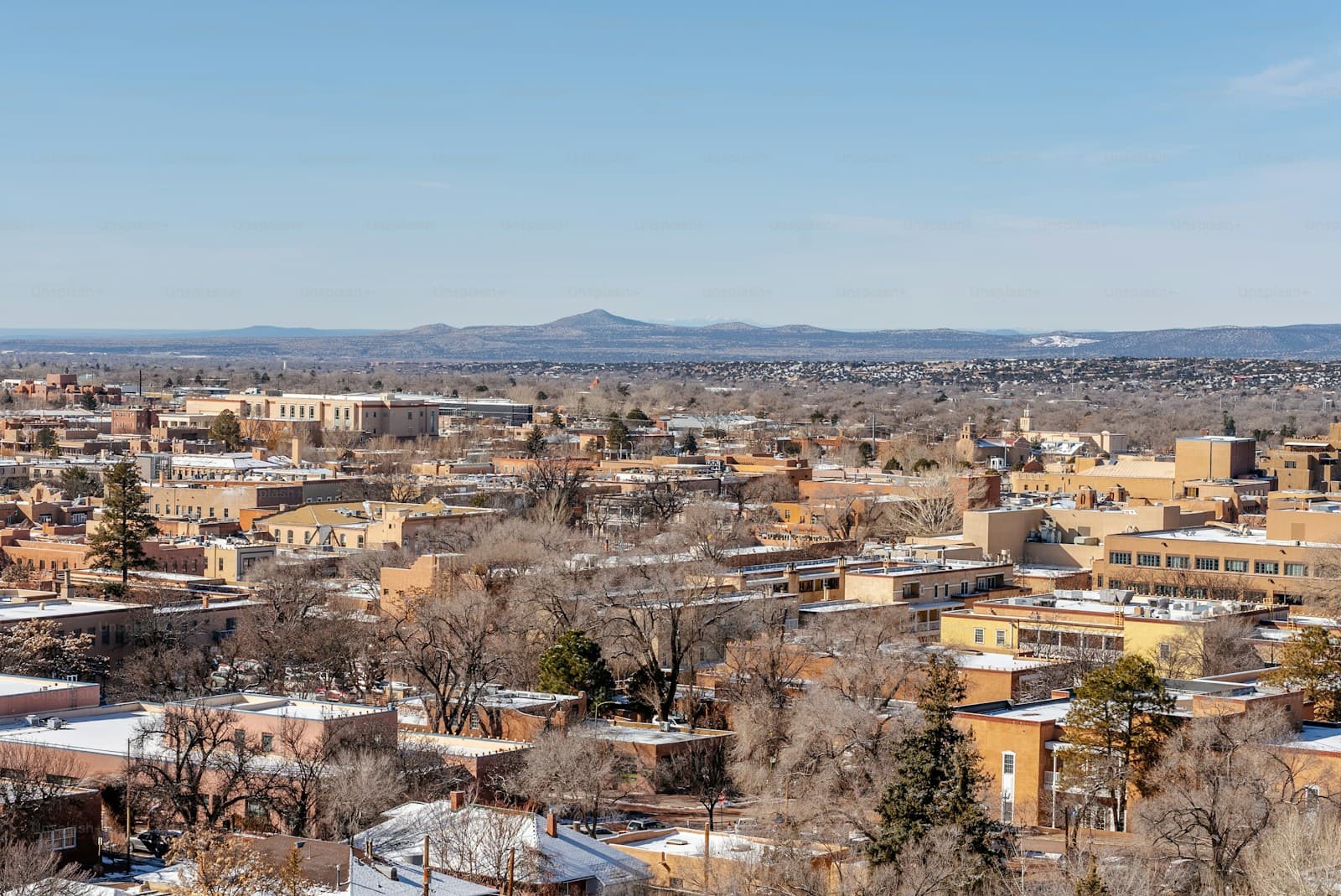
What Affects Rates in Roswell
- Teen drivers in Roswell frequently use US-285 north toward Caprock and south toward Artesia for employment at dairy farms and oilfield services, where highway speeds reach 75 mph and wildlife crossings create collision hazards. Parents whose teens commute on this corridor typically prioritize collision coverage over minimum liability, as rural highway accidents often total vehicles. The 18-mile stretch between Roswell and Dexter sees consistent deer activity during morning and evening student commute hours.
- The historic downtown grid around Main Street and Pennsylvania Avenue generates frequent parking lot and backing incidents for teen drivers navigating angle parking near Roswell High School and the Chaves County Courthouse. Comprehensive coverage becomes relevant here due to higher vandalism rates in public lots used by students after school hours. Insurers track zip code 88201 claims data showing elevated frequency for minor property damage among drivers under 20.
- New Mexico Military Institute cadets represent a distinct teen driver segment, with many out-of-state students bringing vehicles to campus and maintaining separate policies rather than adding to parent plans due to residency requirements. Insurers familiar with the Roswell market often offer institutional discounts for NMMI students, but parents should verify whether their home-state carrier extends coverage when their teen attends school in New Mexico. The college campus location on North Main creates concentrated student parking risk during academic terms.
- Roswell's spring wind season from March through May brings dust storms that reduce visibility on major corridors including US-70 and US-380, creating hazardous conditions for inexperienced teen drivers unfamiliar with severe weather protocols. Comprehensive coverage addresses wind-driven debris damage common in apartment complex parking lots where students at Eastern New Mexico University-Roswell park overnight. Parents whose teens drive older vehicles sometimes elect liability-only coverage, accepting higher exposure during dust storm months.
- The Second Street commercial strip between Union Avenue and Atkinson Avenue sees heavy teen driver activity with students traveling to employment at big-box retailers and fast-food restaurants, generating elevated rear-end collision rates during shift changes between 3-6 PM. This corridor's signalized intersections produce frequent minor accidents that affect teen driver premiums even when no injuries occur. Uninsured motorist coverage gains importance here, as Roswell's estimated uninsured rate among young drivers exceeds the state average.
See what adding a teen driver actually costs in your state
Compare quotes from carriers that offer good student discounts — most parents find savings they didn't know were available.
Get Your Free QuoteCoverage Recommendations
Cost estimates are based on available industry data and vary by driver profile. These are not insurance quotes.
Liability Insurance
Higher limits prove essential for Roswell teen drivers on US-285 and US-70, where highway-speed accidents with multiple vehicles generate claims exceeding minimum coverage.
State minimum adds $180-$320/mo when adding teenEstimated range only. Not a quote.
Collision Coverage
Teen drivers commuting on US-285 to dairy and oilfield jobs face elevated collision risk from wildlife and high speeds, making this coverage a priority for parents financing newer vehicles.
Adds $90-$160/mo to teen premiumEstimated range only. Not a quote.
Comprehensive Coverage
Roswell's spring dust storms and downtown parking lot vandalism create claims for teen drivers, particularly those parking overnight at ENMU-Roswell or NMMI campus lots.
Adds $40-$75/mo to teen premiumEstimated range only. Not a quote.
Uninsured Motorist Coverage
The Second Street retail corridor and downtown grid see higher concentrations of uninsured drivers, making this coverage critical for teen drivers working evening retail shifts.
Adds $25-$50/mo to teen premiumEstimated range only. Not a quote.