What Affects Rates in Edison
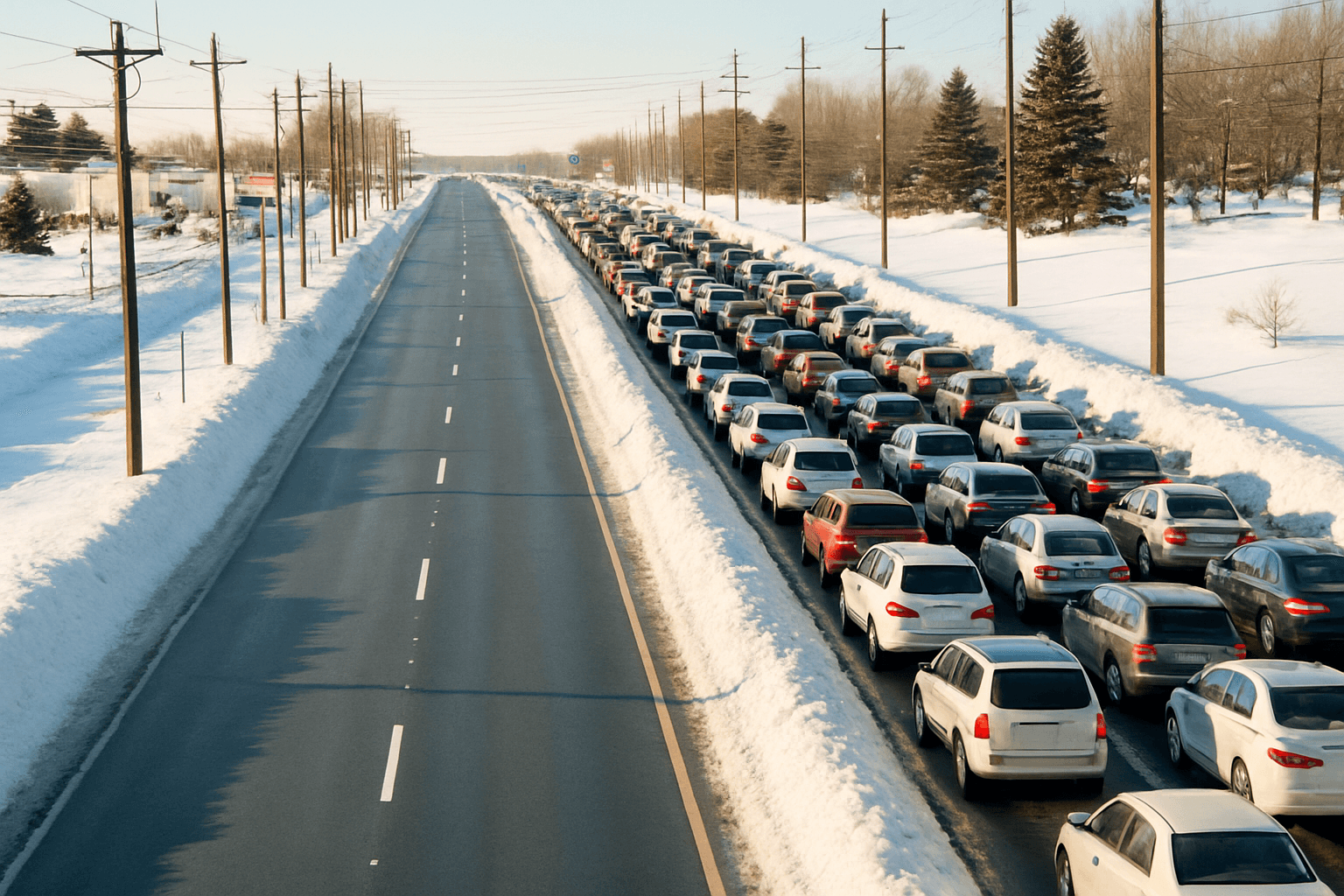
- Route 1 through Edison experiences heavy congestion and frequent minor collisions, particularly near the Menlo Park Mall and retail concentrations where teen drivers often work or shop. Parents whose teens regularly drive this corridor should prioritize collision coverage, as fender-benders in stop-and-go traffic are common for inexperienced drivers. The combination of lane changes, turning traffic, and distracted driving makes this one of Edison's highest-risk zones for young drivers.
- Edison teens typically drive 5–15 miles daily to reach Edison High School, J.P. Stevens High School, or part-time jobs, unlike urban environments where walking or transit might reduce exposure. Higher annual mileage for suburban teen drivers in Edison directly increases premiums, as insurers price based on time behind the wheel. Parents should accurately report student commute distances when adding a teen, as underestimating mileage can lead to claim denials.
- Many Edison teens use Garden State Parkway on-ramps near Woodbridge Avenue or I-287 near the Metuchen border for highway driving practice and eventual solo trips. Highway driving at 55–65 mph elevates severity risk for new drivers compared to residential streets, making higher liability limits (100/300/100 rather than state minimums) particularly relevant for Edison families. A single at-fault highway accident can generate injury claims exceeding New Jersey's 25/50/25 minimum coverage.
- Oak Tree Road's commercial density, pedestrian activity, and parallel parking create a challenging environment for teen drivers learning urban-style navigation within a suburban setting. Parents whose teens frequently drive this corridor face elevated risk of backing accidents and pedestrian-involved incidents, which can trigger significant rate increases after a first claim. Comprehensive driver training on high-density commercial roads before solo driving can help reduce this risk.
- Edison experiences moderate snowfall and ice each winter, and inexperienced teen drivers face higher skid and loss-of-control risk on residential streets and highway ramps during inclement weather. Parents adding a teen in fall should discuss winter driving protocols before the first snowfall, as collision claims during a teen's first winter behind the wheel often result in long-term rate impacts. Some insurers offer winter driving course discounts that can offset part of the teen surcharge.
See what adding a teen driver actually costs in your state
Compare quotes from carriers that offer good student discounts — most parents find savings they didn't know were available.
Get Your Free QuoteCoverage Recommendations
Cost estimates are based on available industry data and vary by driver profile. These are not insurance quotes.
Liability Insurance
Edison parents should consider 100/300/100 limits rather than New Jersey's 25/50/25 minimums, given the severity risk of highway accidents on the Parkway and I-287 that many teens navigate.
State minimum adds $200–$350/mo for teens; higher limits add $30–$60/mo moreEstimated range only. Not a quote.
Collision Coverage
Route 1 and Oak Tree Road congestion creates frequent fender-bender risk for Edison teen drivers, making collision coverage valuable even for older vehicles teens commonly drive.
Adds $80–$180/mo for teen drivers depending on vehicle valueEstimated range only. Not a quote.
Uninsured Motorist Coverage
New Jersey's uninsured driver rate makes this critical for Edison teens commuting on busy roads where hit-and-run accidents occur, particularly in high-density commercial areas.
Adds $15–$35/mo for comprehensive uninsured/underinsured protectionEstimated range only. Not a quote.
Comprehensive Coverage
Edison's suburban setting means lower theft risk than urban areas, but parking lot vandalism at Menlo Park Mall and shopping centers still occurs, especially for vehicles teen drivers frequent.
Adds $40–$90/mo for teen driver vehiclesEstimated range only. Not a quote.