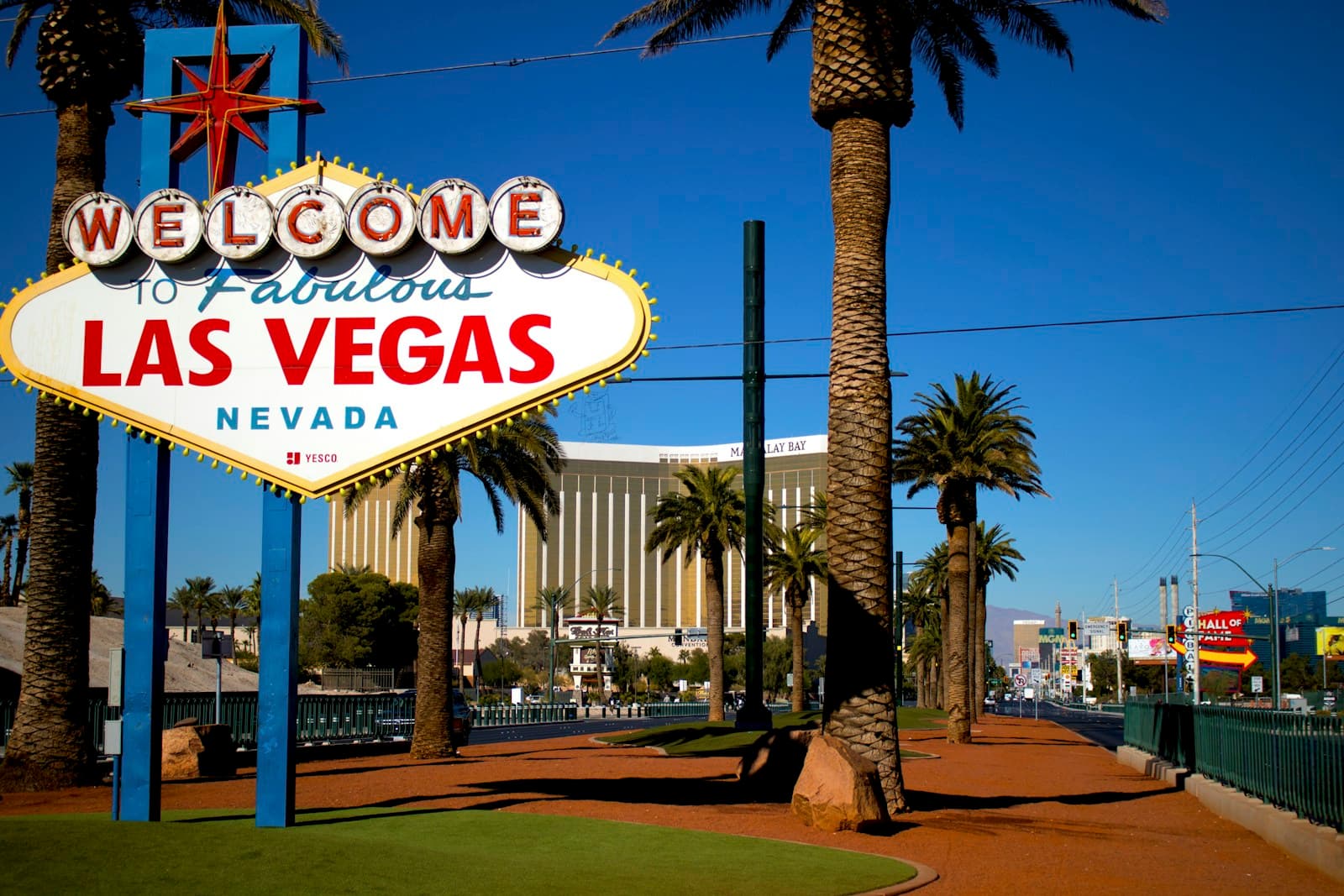
What Affects Rates in Las Vegas
- Teen drivers commuting to Green Valley High School, Coronado High School, or UNLV frequently use I-15 segments near Sahara Avenue and Tropicana Avenue where lane changes, tourist drivers unfamiliar with local routes, and speeds exceeding 70 mph create collision frequency 40% above Las Vegas surface street averages. Parents whose teens drive these corridors daily should prioritize collision coverage with lower deductibles, as fender-benders in merge zones near Russell Road and Flamingo Road are common first-accident scenarios for drivers under 19.
- Teens working part-time jobs near Las Vegas Boulevard, Fremont Street, or Fashion Show Mall navigate pedestrian-heavy zones, valet traffic, and rideshare pickups that increase low-speed collision risk and comprehensive claims from parking lot incidents. Collision coverage becomes essential even for older vehicles when teens regularly park in high-turnover lots at Town Square or near the Arts District, where door dings and minor impacts occur at rates double those in residential Henderson or Summerlin neighborhoods.
- Las Vegas teens face 110°+ summer temperatures that accelerate tire blowouts, cooling system failures, and battery deaths—comprehensive claims that spike June through August when young drivers may lack roadside assistance coverage. A 17-year-old stranded on US-95 near Durango Drive in 115° heat faces longer emergency response times than suburban areas, making roadside assistance and rental reimbursement particularly valuable for families whose teens drive alone to summer jobs or community college classes.
- Certain Las Vegas ZIP codes including 89101, 89104, and 89110 show uninsured motorist rates approaching 18–22%, well above Nevada's 11% statewide average, meaning teen drivers in North Las Vegas or near downtown have elevated exposure to hit-and-run scenarios and at-fault uninsured drivers. Parents adding teens in these areas should carry uninsured/underinsured motorist coverage at limits matching their liability—typically 100/300—rather than state minimums, as a single UM claim from a Strip tourist or uninsured commuter can exceed $50,000 in medical costs.
- Teen drivers in urban Las Vegas core neighborhoods near Charleston Boulevard and Eastern Avenue face stop-and-go traffic, parallel parking challenges, and pedestrian crossings that create different skill demands than teens in Summerlin's master-planned communities with wider arterials and lower pedestrian density. Urban-based teens may benefit more from telematics programs that reward smooth braking and lower mileage, while suburban teens commuting longer distances to schools like Palo Verde or Centennial may accumulate mileage surcharges faster, making usage-based insurance less advantageous despite cleaner driving scores.
See what adding a teen driver actually costs in your state
Compare quotes from carriers that offer good student discounts — most parents find savings they didn't know were available.
Get Your Free QuoteCoverage Recommendations
Cost estimates are based on available industry data and vary by driver profile. These are not insurance quotes.
Liability Insurance
Las Vegas parents should carry 100/300/50 or higher given lawsuit risk from Strip tourist accidents and I-15 multi-vehicle collisions involving out-of-state drivers with substantial medical claims.
State minimum 25/50/20 adds $180–$320/mo for teens; 100/300/50 adds $220–$380/moEstimated range only. Not a quote.
Collision Coverage
Essential for Las Vegas teens navigating parking lots near UNLV, Fashion Show Mall, or part-time jobs on Las Vegas Boulevard where low-speed impacts and backing collisions occur frequently.
$500 deductible adds $90–$160/mo; $1,000 deductible adds $65–$120/moEstimated range only. Not a quote.
Comprehensive Coverage
Valuable in Las Vegas where summer temperatures cause tire blowouts and cooling system failures, and theft rates in certain ZIP codes near downtown and North Las Vegas exceed suburban Henderson by 30%.
$500 deductible adds $45–$85/mo; higher in 89101, 89104 ZIP codesEstimated range only. Not a quote.
Uninsured Motorist Coverage
Critical in Las Vegas where uninsured rates reach 18–22% in urban core areas, and Strip accidents often involve out-of-state tourists with minimal coverage or hit-and-run scenarios near Fremont Street.
100/300 UM adds $35–$70/mo; essential given metro uninsured driver densityEstimated range only. Not a quote.
Medical Payments Coverage
Useful in Las Vegas where emergency transport from I-15 accidents to UMC Trauma Center or Spring Valley Hospital can exceed $2,000 before health insurance applies, and teens may carry passengers to UNLV or part-time jobs.
$5,000 MedPay adds $15–$30/mo; complements health insurance gapsEstimated range only. Not a quote.