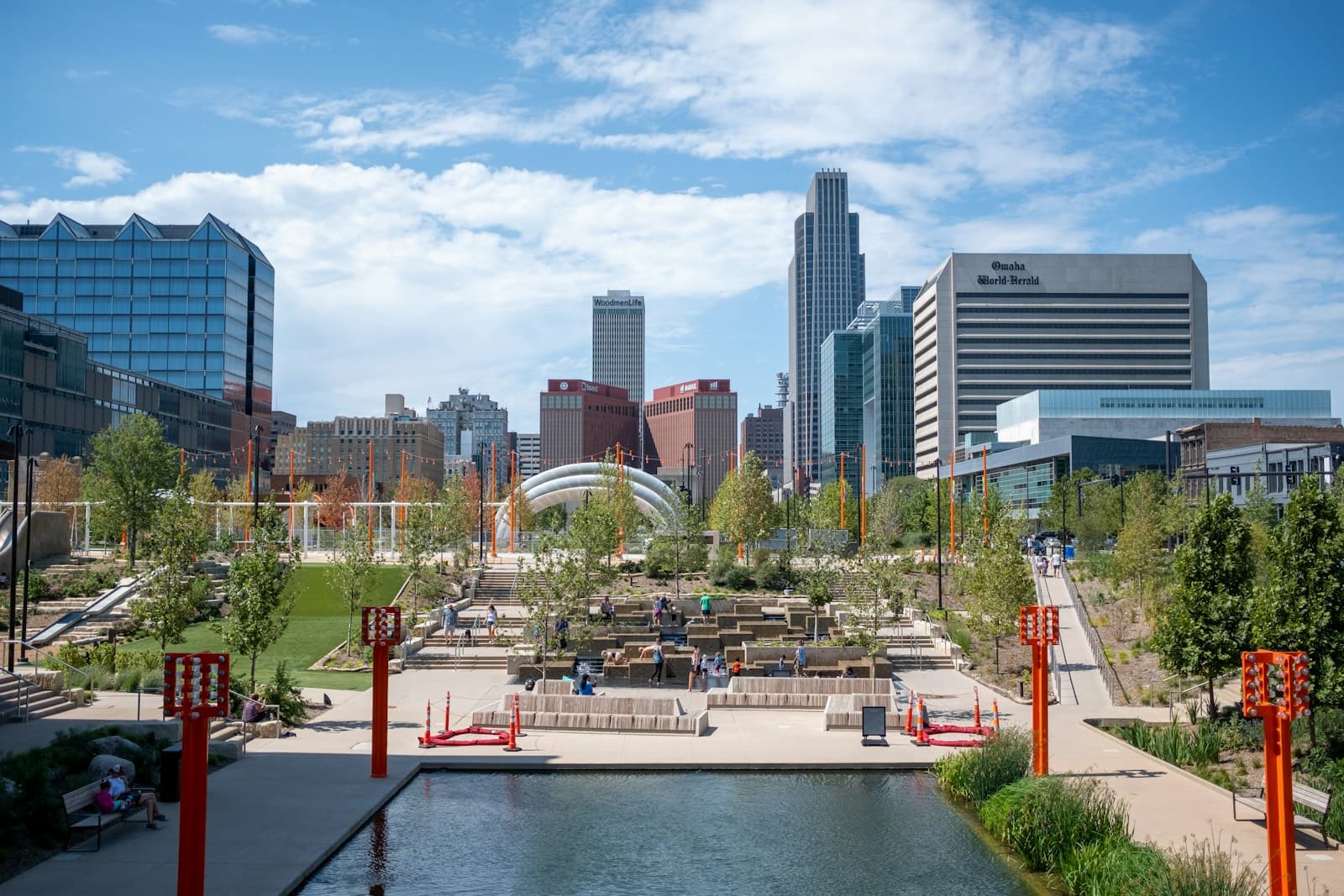
What Affects Rates in Omaha
- Dodge Street from downtown through West Omaha ranks among Nebraska's highest-traffic roads, with heavy weekday flows during school commute hours when teens drive to Westside High School, Millard North, and Millard West. Multi-lane configurations, frequent left-turn conflicts at major intersections like 72nd, 90th, and 132nd Streets, and stop-and-go congestion create elevated rear-end and sideswipe collision risk for new drivers. Parents adding teens who will regularly drive this corridor should prioritize collision coverage with manageable deductibles, as even minor fender-benders in this dense traffic environment are common for drivers under 18.
- Teen drivers in suburban Elkhorn, Millard, and Papillion areas frequently use I-680, I-80, and West Dodge Expressway for school, work, and activities, exposing them to highway-speed merging and lane changes that elevate accident severity. The I-680/Dodge interchange and I-80/I-680 junction in West Omaha see regular congestion and abrupt slowdowns during afternoon hours when teens head to part-time jobs in Aksarben Village, Village Pointe, and Westroads Mall. Higher speeds mean higher collision repair costs and greater injury risk, making higher liability limits—100/300/100 rather than state minimums—more relevant for Omaha parents than for families in smaller Nebraska towns.
- Omaha's concentrated commercial districts—Old Market, midtown near Saddle Creek Road, and West Omaha shopping centers—create tight parking situations where teen drivers accumulate door dings, backing collisions, and minor scrapes. High schools like Central, Burke, and Benson have large student lots where inexperienced drivers navigate congested arrival and dismissal periods. Comprehensive coverage becomes more valuable in Omaha's urban core due to higher vandalism and theft rates in denser neighborhoods compared to rural Nebraska, particularly for teens parking overnight in areas near UNO's Dodge campus or downtown residential blocks.
- Omaha's Missouri River valley location creates microclimates where black ice forms on bridges over the river and on elevated sections of I-480 and I-680 during November through March, catching inexperienced teen drivers off-guard. Sudden temperature drops and freezing rain events unique to the valley cause multi-vehicle incidents on I-80 between the 42nd Street and 72nd Street exits, where teens commute between midtown and West Omaha. Parents should weigh collision deductible levels carefully, as winter weather claims are more frequent for Omaha teen drivers than state statistics suggest, and a $500 deductible may be more practical than $1,000 given the likelihood of a first-winter incident.
- Teen employment clusters in West Omaha retail (Village Pointe, Shadow Lake Towne Center) and midtown service areas (Aksarben, Blackstone District) create predictable evening commute patterns for drivers aged 16-18, often during reduced visibility hours in fall and winter. Burke High School students driving to jobs along 120th Street and Millard students heading to afternoon shifts near 144th and Maple face different risk profiles than rural Nebraska teens with less structured driving. These patterns make telematics programs that monitor nighttime driving hours particularly valuable for Omaha families, as carriers often offer 10-20% discounts for safe curfew adherence, directly addressing the elevated risk of teen evening drives through congested metro corridors.
See what adding a teen driver actually costs in your state
Compare quotes from carriers that offer good student discounts — most parents find savings they didn't know were available.
Get Your Free QuoteCoverage Recommendations
Cost estimates are based on available industry data and vary by driver profile. These are not insurance quotes.
Liability Insurance
Omaha's congested intersections along Dodge Street and Pacific Street create higher-stakes collision scenarios where a teen's at-fault accident can involve multiple vehicles and significant injury claims, making 100/300/100 limits more protective than state minimums.
Base coverage, required by lawEstimated range only. Not a quote.
Collision Coverage
Multi-lane traffic on West Dodge Road and frequent congestion near Westside, Millard, and Elkhorn high schools during dismissal hours make collision coverage with a $500 deductible a practical choice for Omaha parents expecting first-year fender-benders.
Adds $80–$150/month for teen driversEstimated range only. Not a quote.
Comprehensive Coverage
Omaha's urban neighborhoods near UNO, midtown, and downtown see higher vehicle theft and vandalism rates than rural Nebraska, and spring hailstorms crossing the metro area make comprehensive coverage particularly relevant for teens parking at school lots and on-street near Central and Benson high schools.
Adds $30–$70/month for teen driversEstimated range only. Not a quote.
Uninsured Motorist Coverage
Omaha's higher population density increases the statistical likelihood of encountering uninsured drivers, particularly in accidents on high-traffic corridors like 72nd Street and L Street where collision frequency is elevated and not all drivers carry adequate limits.
Adds $15–$35/month for teen driversEstimated range only. Not a quote.
Full Coverage Package
For Omaha families financing a vehicle for their teen or adding a young driver to a newer car used for West Omaha suburban commutes, full coverage addresses the metro area's combined risks of congestion collisions, parking lot incidents, weather damage, and theft exposure in one package.
$350–$550/month total for teen driversEstimated range only. Not a quote.