What Affects Rates in Butte
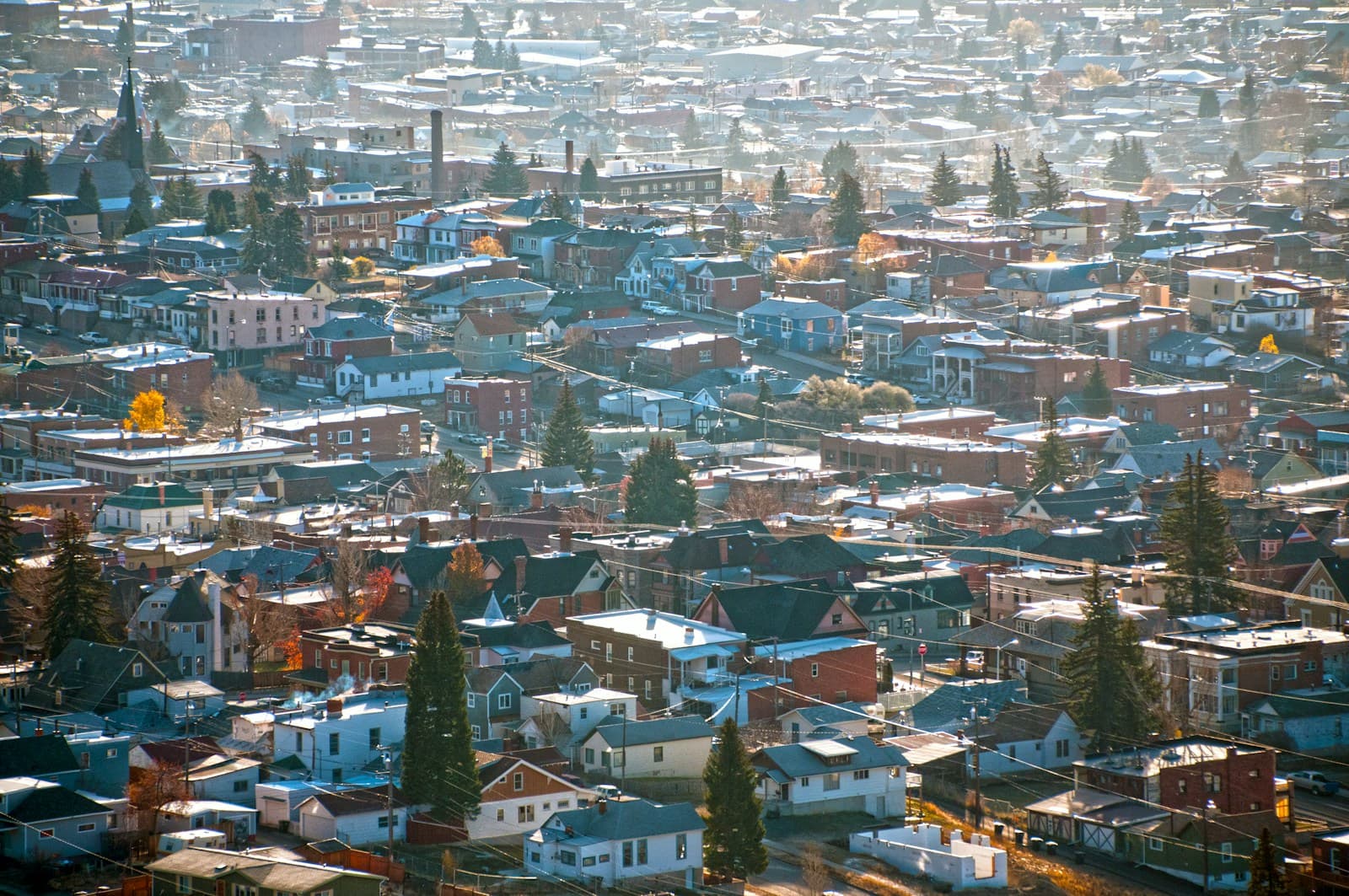
- Teen drivers navigating Butte's historic Uptown district encounter steep grades and tight turns on roads like Mercury Street and Granite Street, where ice accumulation lingers into April. New drivers learning on Park Street's inclines and the sharp descent toward Montana Tech campus experience higher loss ratios than teens in flatter Montana cities. Winter weather at 5,538 feet elevation creates black ice conditions that inexperienced drivers frequently misjudge.
- Harrison Avenue between Dewey Boulevard and Platinum Street serves as Butte's primary teen commute route to Butte High School and employment at stores near the Butte Plaza Mall. Morning traffic congestion and rear-end collisions spike during the 7:30-8:00 AM school rush, with teen drivers accounting for a disproportionate share of distracted driving incidents. Parents whose teens commute this corridor daily see higher collision premium quotes than those in Butte's residential Flats neighborhood.
- Older teens attending Montana Tech generate concentrated traffic on West Park Street and around the campus perimeter, where steep parking areas and pedestrian crossings create heightened liability exposure. Student drivers aged 18-21 maintaining their own policies face urban rates despite the campus environment, as Butte's classification doesn't distinguish between campus and city driving. Parents debating whether to keep college-age students on their policy find Butte's urban designation eliminates some of the away-at-school discounts available in smaller Montana college towns.
- Teen drivers completing Montana's graduated licensing requirements in summer months enter Butte's full winter driving season without supervised experience on Continental Drive switchbacks or Interstate 15/90 interchange conditions during snowstorms. The lack of mandatory winter driving hours shows in claims data, with first-winter teen drivers in Butte filing weather-related collision claims at rates 30-40% higher than second-winter drivers. This pattern makes collision coverage more critical for Butte parents than for families in milder Montana climates.
- Butte's older street grid in neighborhoods surrounding the former Berkeley Pit features narrow lanes, limited street parking, and sight-line challenges at intersections like Main and Granite. Teen drivers parallel parking on these tight streets generate minor collision claims that accumulate over time, affecting parent policy renewal rates even when individual incidents seem trivial. The urban density here contrasts sharply with suburban Walkerville just north, where wider streets and driveways reduce parking-related claims for teen drivers.
See what adding a teen driver actually costs in your state
Compare quotes from carriers that offer good student discounts — most parents find savings they didn't know were available.
Get Your Free QuoteCoverage Recommendations
Cost estimates are based on available industry data and vary by driver profile. These are not insurance quotes.
Liability Insurance
Harrison Avenue school-hour congestion and Montana Tech pedestrian crossings create elevated liability scenarios for Butte teen drivers navigating urban density.
Required — base premium before teen surchargeEstimated range only. Not a quote.
Collision Coverage
Icy conditions on Mercury Street hills, tight Uptown parking, and Continental Drive switchbacks make collision coverage particularly valuable for Butte families with teen drivers learning in challenging terrain.
High value — $500-$1,000 deductible typicalEstimated range only. Not a quote.
Comprehensive Coverage
Butte's elevation produces hail events and ice damage that affect vehicles parked at Butte High School and residential streets in the Flats neighborhood where many teen drivers park overnight.
Recommended — often bundled with collisionEstimated range only. Not a quote.
Uninsured Motorist Coverage
Urban parking lot incidents at Butte Plaza Mall and tight street parking in the mining district create hit-and-run scenarios where the at-fault driver isn't identified, making UM coverage critical for teen driver protection.
Moderate cost — essential urban protectionEstimated range only. Not a quote.