What Affects Rates in San Francisco
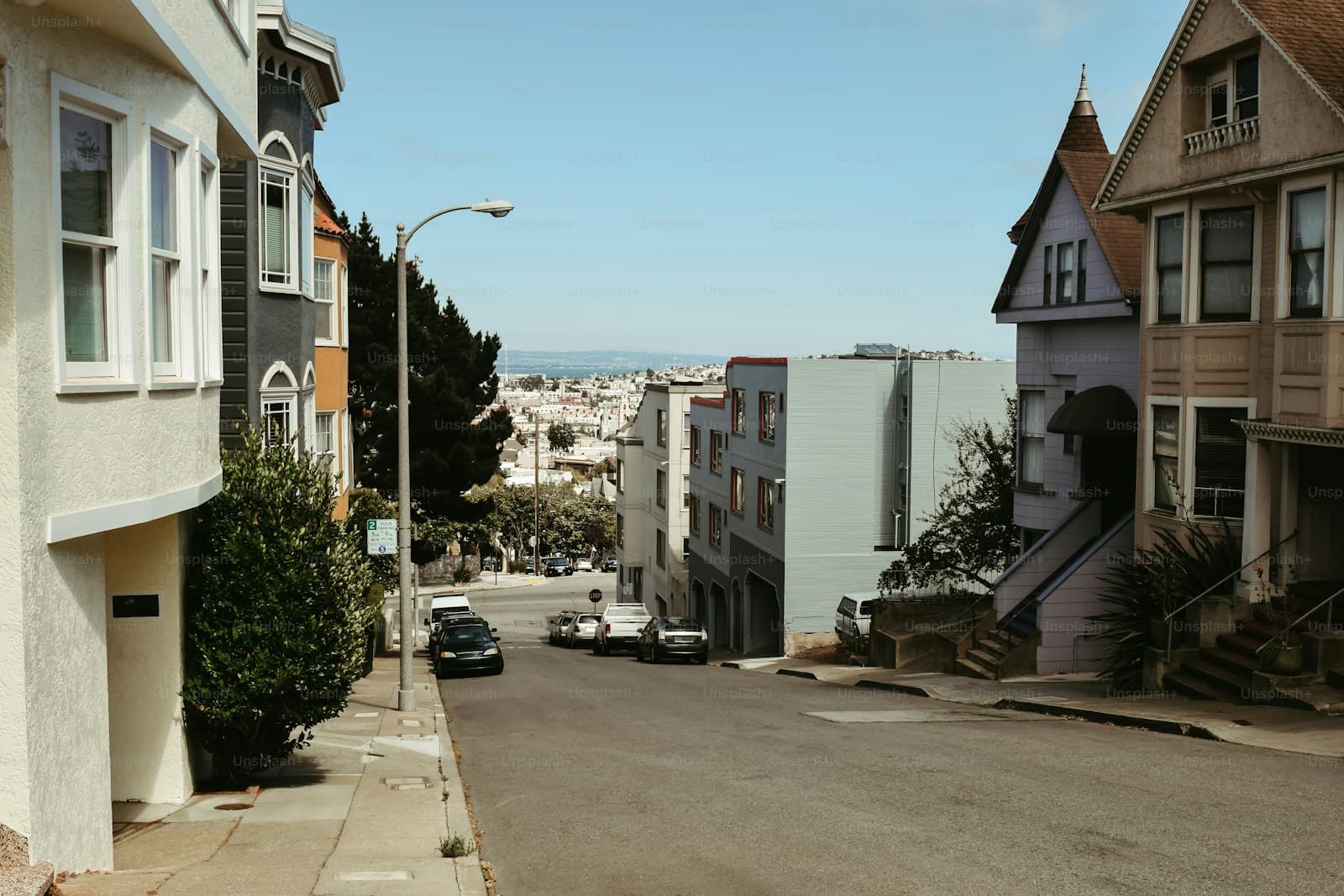
- San Francisco's notorious hills create elevated collision risk for new drivers learning manual transmission control and managing steep grades on streets like Filbert, 22nd Street, and California Street. Teen drivers face higher rates of rollback incidents at stop signs on inclines and increased brake wear that parents must factor into maintenance costs. Collision coverage becomes particularly important when teens commute to schools like Lowell High School or Urban School requiring daily hill navigation.
- Teen drivers attending Lincoln High School near the Sunset District, Washington High School in the Richmond, or Sacred Heart Cathedral navigate congested crosstown routes on Geary Boulevard, Judah Street, and 19th Avenue where accident rates for young drivers peak during morning and afternoon commutes. Parents whose teens drive to Marina or Mission District schools face additional exposure from pedestrian-heavy zones and limited street parking that increases door-ding and parallel parking collision claims. The concentration of private and public high schools in the northeast quadrant intensifies teen traffic density in already congested areas.
- San Francisco's extensive Muni system and BART connectivity may reduce how much parents' teens actually drive compared to suburban California families, potentially lowering annual mileage and qualifying for low-mileage discounts despite high per-mile risk. Teens who primarily use family vehicles for weekend trips to Ocean Beach or occasional drives to part-time jobs in Union Square log fewer miles than peers in car-dependent suburbs. Parents should document actual teen mileage with insurers to potentially reduce the premium surcharge from adding a young driver.
- Limited street parking forces San Francisco teen drivers into tight garage spaces at Westfield San Francisco Centre, Embarcadero Center, and residential structures where collision claims from pillar strikes and mirror damage occur at higher rates than open suburban lots. The narrow dimensions of garages serving older buildings in North Beach and Pacific Heights create learning-curve risks for new drivers unfamiliar with spatial judgment. Comprehensive and collision coverage with lower deductibles may benefit parents whose teens regularly park in these confined urban environments.
- San Francisco's summer fog particularly affects the Sunset and Richmond districts, reducing visibility for teen drivers on Ocean Beach-adjacent streets and the western sections of Golden Gate Park where inexperienced drivers may struggle with appropriate speed adjustment. Microclimate transitions between foggy coastal areas and sunny Mission District neighborhoods require teen drivers to adapt quickly to changing conditions within short distances. Parents whose teens commute across these zones face elevated accident risk during morning fog that typically burns off by afternoon.
See what adding a teen driver actually costs in your state
Compare quotes from carriers that offer good student discounts — most parents find savings they didn't know were available.
Get Your Free QuoteCoverage Recommendations
Cost estimates are based on available industry data and vary by driver profile. These are not insurance quotes.
Liability Insurance
San Francisco's dense pedestrian zones near Ferry Building, Union Square, and Fisherman's Wharf create elevated liability exposure when inexperienced teen drivers navigate crowded streets where a momentary lapse can result in serious injury claims.
State minimum insufficient for urban exposureEstimated range only. Not a quote.
Collision Coverage
Tight parallel parking on steep streets like Lombard and frequent low-speed collisions in congested areas such as Van Ness Avenue and Market Street make collision coverage essential for San Francisco families with teen drivers learning in challenging conditions.
Higher deductibles reduce teen premiumsEstimated range only. Not a quote.
Comprehensive Coverage
San Francisco reports among California's highest vehicle break-in rates particularly in the Mission District, Hayes Valley, and near tourist areas where teens may park for school or work, making comprehensive coverage a priority for parents.
Essential in high-theft neighborhoodsEstimated range only. Not a quote.
Uninsured Motorist Coverage
Hit-and-run incidents occur frequently in San Francisco's crowded parking situations and congested streets where tracking down responsible parties proves difficult, leaving uninsured motorist coverage as the only recovery path for families with teen drivers.
Recommended for all urban teen driversEstimated range only. Not a quote.
Medical Payments Coverage
San Francisco's high medical costs and the frequency of pedestrian and cyclist interactions with teen drivers in areas like the Embarcadero and Golden Gate Park Panhandle make medical payments coverage valuable for covering immediate treatment expenses.
Supplements health insurance gapsEstimated range only. Not a quote.