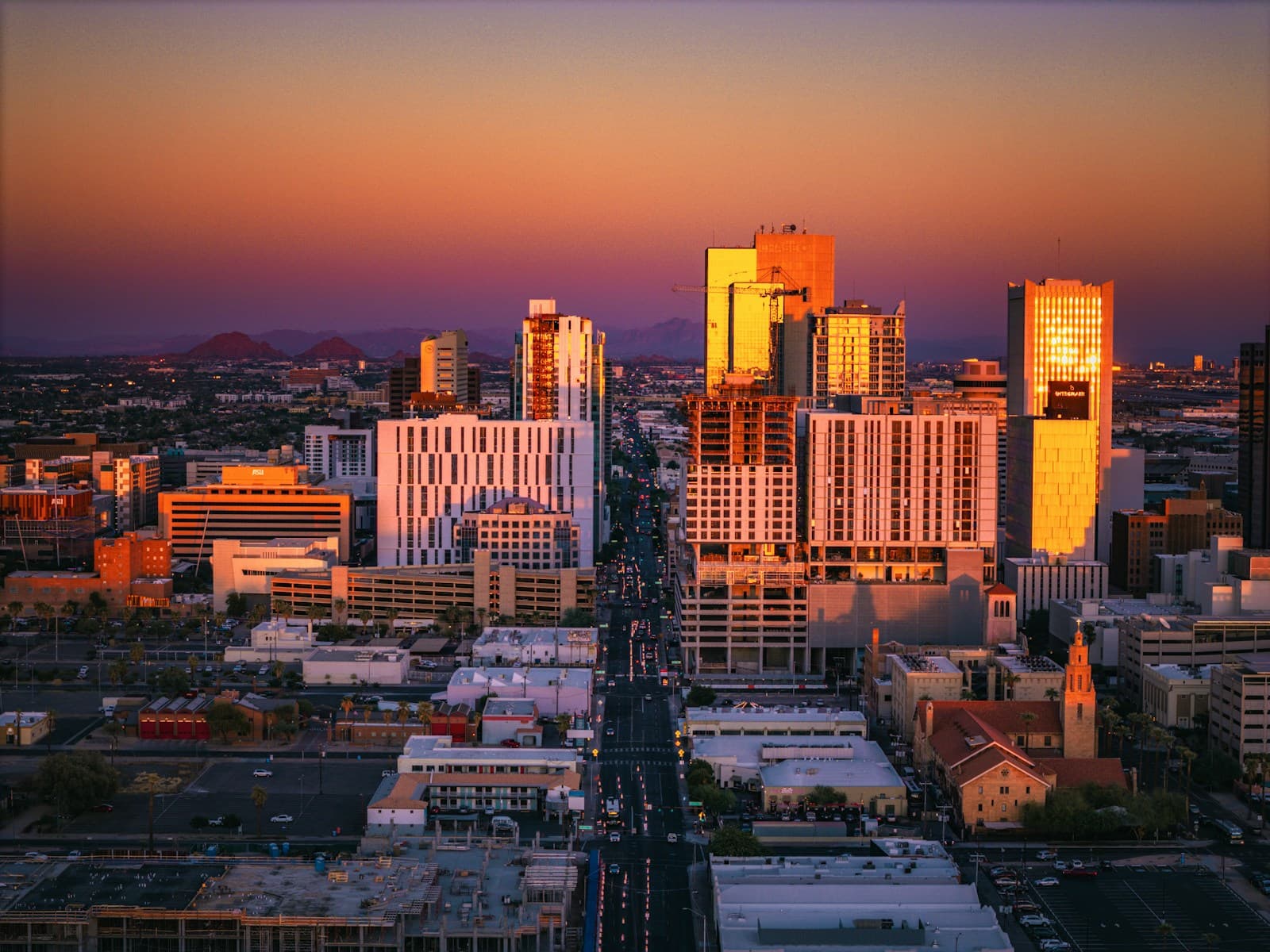
What Affects Rates in Phoenix
- Phoenix teens attending schools in different quadrants often commute via I-10, Loop 101, or SR-51, where speed differentials and heavy merging traffic create collision risk. The I-10 corridor between Downtown and Tempe sees particularly high teen accident frequency during morning and afternoon school commutes. Parents whose teens regularly use these routes should prioritize collision coverage with lower deductibles, as fender-benders in stop-and-go freeway traffic are common for inexperienced drivers navigating Phoenix's highway system.
- Phoenix summer temperatures exceeding 115°F cause tire blowouts and cooling system failures that disproportionately affect teen drivers less experienced in recognizing warning signs. Teen drivers commuting to summer jobs in heat-exposed areas like Desert Ridge, Ahwatukee, or West Phoenix face higher breakdown risk on surface streets far from assistance. Comprehensive coverage becomes more valuable for parents whose teens drive older vehicles vulnerable to heat-related mechanical failures, particularly during the May–September peak heat season when roadside assistance calls spike 40% among drivers under 25.
- Teens attending schools or working in Downtown Phoenix, Tempe, or Arizona State University areas face elevated parking lot collision and theft risk in high-density lots and street parking. The ASU campus area and Mill Avenue corridor report significantly higher rates of vehicle break-ins and parking lot incidents affecting young drivers. Comprehensive and collision coverage with uninsured motorist protection becomes critical for teens parking in these urban environments, where hit-and-run parking lot incidents often go unreported and surveillance is limited.
- Phoenix monsoon storms between July and September create sudden zero-visibility conditions and flash flooding on surface streets, particularly in low-lying areas near the Salt River and desert washes. Teen drivers unfamiliar with monsoon driving—like avoiding flooded underpasses on Indian School Road or 19th Avenue—face higher hydroplaning and collision risk during sudden afternoon storms. Parents should ensure teen drivers understand local "stupid motorist law" liability and verify collision coverage adequately protects vehicles during the summer storm season when teen accident rates increase 22%.
- Phoenix's urban market produces base insurance rates 15–20% higher than suburban Arizona cities, which amplifies the percentage increase when adding a teen driver to a parent's multi-car policy. However, Phoenix insurers offer more competitive good student, driver training, and telematics discounts due to market competition, often making multi-car policies more cost-effective than standalone teen coverage. Parents should compare the actual dollar increase of adding their teen to an existing Phoenix policy—typically $3,000–$5,400 annually—against standalone policies, which rarely offer comparable discount stacking opportunities in this competitive urban market.
See what adding a teen driver actually costs in your state
Compare quotes from carriers that offer good student discounts — most parents find savings they didn't know were available.
Get Your Free QuoteCoverage Recommendations
Cost estimates are based on available industry data and vary by driver profile. These are not insurance quotes.
Liability Insurance
Phoenix's congested I-10 and Loop 101 corridors see frequent multi-car accidents where inexperienced teen drivers may be held liable for chain-reaction collisions, making higher liability limits essential for protecting parent assets.
Base cost; state minimum insufficient for urban accidentsEstimated range only. Not a quote.
Collision Coverage
Teen drivers navigating Phoenix parking lots at ASU, high schools, and retail centers like Desert Ridge experience parking lot incidents at rates 40% higher than experienced drivers, making collision coverage a priority for parents.
Typically $80–$150/month for teen driversEstimated range only. Not a quote.
Comprehensive Coverage
Phoenix's summer monsoons create flash flooding and dust storm damage concentrated in July–September, while vehicle theft rates in Central Phoenix and Maryvale neighborhoods remain consistently elevated for popular teen-driven models.
Typically $45–$90/month for teen driversEstimated range only. Not a quote.
Uninsured Motorist Coverage
Arizona's estimated 13% uninsured driver rate concentrates in Phoenix's urban core, where parking lot hit-and-runs and surface street accidents involving uninsured motorists disproportionately affect teen drivers in high-density areas.
Typically $25–$50/month additionalEstimated range only. Not a quote.
Medical Payments Coverage
Phoenix's sprawling layout means longer emergency response times in outer areas like Laveen and North Phoenix, making immediate medical coverage valuable for teen drivers who may be far from trauma centers after accidents on remote surface streets.
Typically $15–$30/month for $5,000–$10,000 coverageEstimated range only. Not a quote.