
New vs Used Car Insurance Cost for Teen Drivers
Compare Teen Driver Insurance RatesWhy the Car Choice Affects Your Teen's Insurance More Than You Think
Adding a 16-year-old driver to your policy typically increases your annual premium by $2,000–$3,500, but the vehicle you assign them changes that range by $50–$100/month. A new car triggers higher comprehensive and collision premiums because replacement cost is higher, but an older car may lack safety features that earn you a discount — and if it's a model with high theft rates or expensive parts, you'll pay more regardless of age.
The insurance industry prices risk, not depreciation. A 2021 Honda Civic and a 2015 Civic might have a $10,000 purchase price gap, but only a $15–$25/month insurance difference if both have similar safety ratings and repair costs. Meanwhile, a 2010 Mustang GT could cost $40–$60/month more to insure than either Civic because of crash data and liability exposure.
Parents shopping for a teen's first car often assume "older equals cheaper insurance." That's true only when the older car is also safer, cheaper to repair, and lower-performance. The decision tree isn't age — it's risk profile.

New Car Insurance Costs: What Drives the Premium
A new car requires full-coverage insurance if you finance or lease it, which means liability, collision, and comprehensive. For a teen driver on a parent's policy, that typically adds $150–$250/month depending on the vehicle's value and your state. The collision premium is based on the car's actual cash value, and a $30,000 new car will cost more to insure than a $12,000 used car — but the gap shrinks every year as the new car depreciates.
New cars often qualify for safety discounts that older models don't. Anti-lock brakes, electronic stability control, forward collision warning, and automatic emergency braking can reduce premiums by 5–20% depending on the carrier. A 2023 Subaru Outback with EyeSight may cost less to insure than a 2012 Outback without it, even though the replacement value is triple.
The other factor: new cars are stolen less often if they have modern anti-theft systems, which lowers comprehensive premiums. A new Toyota Camry costs less in comprehensive coverage than a 15-year-old Honda Accord, which remains one of the most stolen vehicles in the U.S. according to National Insurance Crime Bureau data.
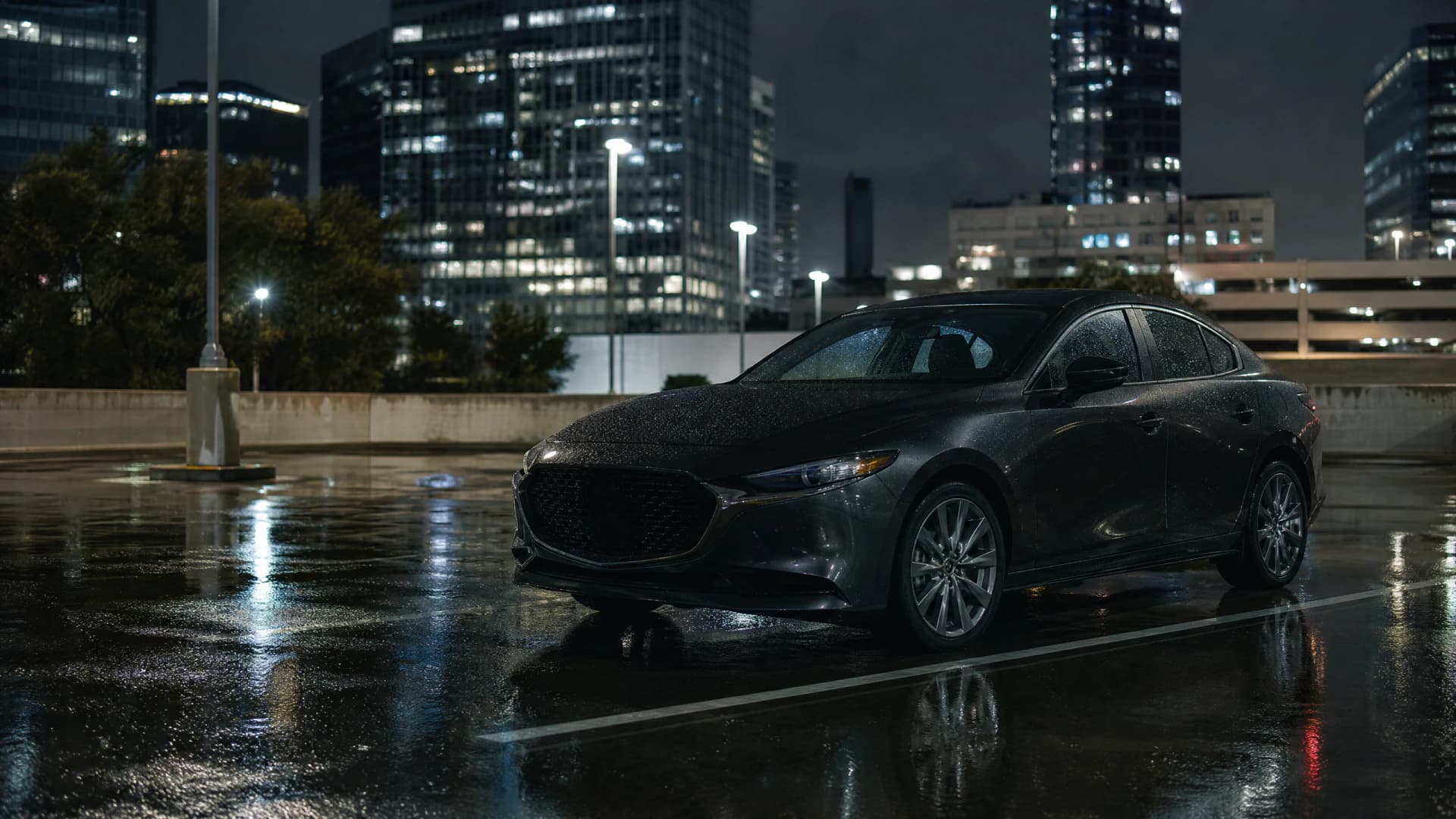

Used Car Insurance Costs: Where You Save and Where You Don't
If you buy a used car outright with no loan, you can drop collision and comprehensive coverage and carry liability-only insurance, which typically costs $80–$150/month for a teen driver depending on your state's minimum requirements. That's the biggest cost advantage of an older, paid-off vehicle — you're not required to insure the car itself, only the damage your teen might cause to others.
But most parents don't drop full coverage on a teen's car, even if it's used, because a single at-fault accident could total a $10,000 vehicle and leave the family with no car and no insurance payout. If you keep collision and comprehensive on a used car, your premium is based on its current market value, which is lower — but not proportionally lower. A car worth $8,000 might cost only $20–$30/month less in collision/comprehensive than one worth $18,000, because the base cost of the coverage and the deductible structure compress the difference.
Used cars also miss out on new-car discounts. If the vehicle lacks modern safety features, you lose 10–20% in potential savings. And if it's an older sports car, truck, or luxury model, the liability premium stays high because the risk of a severe crash or expensive damage claim doesn't change with the car's age.
Which Vehicles Cost the Least to Insure for Teen Drivers
The cheapest vehicles to insure for a teen are midsize sedans and small SUVs with strong safety ratings, low theft rates, and inexpensive parts. Examples: Honda Accord, Toyota Camry, Subaru Outback, Mazda CX-5, Hyundai Elantra. Insurance costs for these models typically run $120–$180/month for a teen on a parent's policy with full coverage, compared to $200–$300/month for a performance coupe or luxury sedan.
Avoid: sports cars (Mustang, Camaro, WRX), luxury brands (BMW, Audi, Mercedes), and trucks with high horsepower. Even if you find a 10-year-old version for $12,000, the insurance cost will reflect crash severity and repair expense. A used BMW 3 Series might cost the same to insure as a new Honda Civic, despite being worth half as much.
Check the Insurance Institute for Highway Safety (IIHS) Top Safety Pick list and cross-reference it with your state's most-stolen vehicle data from the National Insurance Crime Bureau. A car that scores well on both will deliver the lowest premium for your teen, regardless of whether it's new or used.

Find the Right Policy for Your Teen
Compare Teen Driver Insurance Rates
How to Lower Costs Regardless of Vehicle Age
The good student discount reduces premiums by 10–25% if your teen maintains a B average or 3.0 GPA. Most carriers require proof every six months or annually — submit report cards proactively or you may lose the discount mid-policy without notification. Driver training or defensive driving courses add another 5–10% discount and are often required for drivers under 18 in states with graduated licensing laws.
Telematics programs (usage-based insurance) can cut costs by 15–30% if your teen demonstrates safe driving habits: no hard braking, no speeding, limited night driving, low mileage. Programs like Allstate's Drivewise, State Farm's Drive Safe & Save, and Progressive's Snapshot monitor driving via app or plug-in device. The discount applies regardless of whether the car is new or used.
Raising your deductible from $500 to $1,000 lowers collision and comprehensive premiums by 10–15%, but only do this if you can afford the out-of-pocket cost after an accident. Bundling your auto and home or renters insurance with the same carrier typically saves 10–20%. If your teen is away at school without a car, ask about the distant student discount — it can reduce rates by 10–35% since the vehicle is driven less.

State-Specific Factors That Change the Calculation
Some states require higher liability limits or additional coverage types, which increases the baseline cost regardless of vehicle age. Michigan historically required unlimited personal injury protection (PIP), making it one of the most expensive states for teen drivers, though recent reforms allow drivers to opt out if they have qualifying health insurance. Florida and New Jersey also have high minimums and expensive PIP requirements.
States with graduated driver licensing (GDL) laws — which restrict nighttime driving, passengers, and phone use for new drivers — often see lower teen insurance rates because crash risk is statistically reduced. States with strong GDL programs include California, New York, and North Carolina. Check your state's GDL requirements and ensure compliance, as violations can increase premiums or disqualify discounts.
If you're comparing rates across states or recently moved, request quotes in your new state before buying a car for your teen. A vehicle that's affordable to insure in Ohio might be prohibitively expensive in Michigan or Louisiana due to state-specific risk pools and coverage mandates.
New vs Used: The Real Cost Over Three Years
A $25,000 new car financed over five years with full coverage for a teen driver costs approximately $200/month in insurance in a mid-cost state — $7,200 over three years. A $10,000 used car paid in cash with full coverage (not liability-only) costs roughly $140/month — $5,040 over three years. The insurance savings: $2,160 over three years, or $60/month.
But if the used car lacks modern safety features and your teen doesn't qualify for a 15% new-car safety discount, that gap shrinks to $30–$40/month. Add in one accident with a $1,000 deductible on the used car that you pay out of pocket (because it's not worth a claim), and the total cost difference narrows further.
The breakeven analysis isn't just insurance — it's purchase price, financing cost, maintenance, and collision risk. For families prioritizing monthly budget predictability, a certified pre-owned car 2–4 years old with a warranty and modern safety features often delivers the best balance of purchase cost and insurance premium.
Frequently Asked Questions
Should I buy a new or used car for my teenager to get cheaper insurance?
A used car typically costs less to insure if you drop collision and comprehensive coverage, but if you keep full coverage, the savings are only $30–$60/month compared to a new car with similar safety features. The bigger factor is vehicle type — a used sports car will cost more than a new sedan. Choose a midsize sedan or small SUV with strong safety ratings regardless of age for the lowest premium.
Can I just get liability insurance for my teen's used car?
Yes, if you own the car outright with no loan or lease. Liability-only coverage costs $80–$150/month for a teen driver depending on your state. However, you'll have no coverage for damage to your teen's vehicle in an at-fault accident, so only choose this option if you can afford to replace the car out of pocket or if the car's value is low enough that collision coverage isn't cost-effective.
Do older cars cost less to insure for teen drivers?
Not always. Older cars have lower collision and comprehensive premiums based on current market value, but they often lack safety features that qualify for discounts, and some older models have high theft or repair costs. A 10-year-old sports car or luxury vehicle can cost more to insure than a 3-year-old economy sedan. Vehicle type and safety rating matter more than age.
What type of car has the lowest insurance cost for a 16-year-old?
Midsize sedans and small SUVs with strong safety ratings and low theft rates — like the Honda Accord, Toyota Camry, Subaru Outback, or Mazda CX-5 — cost the least to insure for teen drivers. These vehicles typically run $120–$180/month with full coverage on a parent's policy. Avoid sports cars, trucks with high horsepower, and luxury brands, which can double that cost even if purchased used.
Will buying my teen a cheaper car lower our insurance premium?
It depends on the type of car, not just the price. A $15,000 used Mustang will cost more to insure than a $22,000 new Honda Civic because of crash risk and repair costs. If you buy a cheaper car and drop collision/comprehensive coverage, you'll save significantly — but if you keep full coverage, the premium difference is often only $20–$40/month based on vehicle value alone.
Related Articles
Best Vehicles for Teen Drivers to Lower Insurance
4/11/2026

NC Teen Driver Insurance: Costs, Discounts & GDL Impact
4/7/2026
Stack Teen Driver Discounts: Re-Verification Guide
4/7/2026

Teen Driver Insurance in New Mexico: Costs & GDL Rules
4/7/2026

Teen Driver Insurance FAQ: Questions Parents Actually Ask
4/7/2026
Stack Every Discount for Teen Drivers | Parent Guide
4/11/2026