
Does Adding a Teen Permit Holder Raise Your Insurance Rate?
Compare Teen Driver Insurance RatesPermit Holders Usually Don't Trigger a Rate Increase — Yet
The short answer: most insurance carriers do not raise your premium when your teen gets a learner's permit, because permit holders are legally required to drive with a licensed adult in the car. The carrier views this as supervised practice under your existing policy, not independent operation of the vehicle.
However, you are typically required to notify your insurer when your teen receives a permit. Failing to disclose a permitted driver can create coverage gaps if an accident occurs during a supervised drive. Some carriers automatically add the permit holder to your policy declarations but apply a $0 rate increase until the teen converts to a provisional or full license.
The real rate jump happens when your teen graduates from a permit to a license — and the timing of that notification is where parents often encounter surprise bills. If your carrier isn't notified within the required window (often 30 days), you may face retroactive premium adjustments or a lapse in coverage for that driver.
What Happens When Your Teen Converts from Permit to License
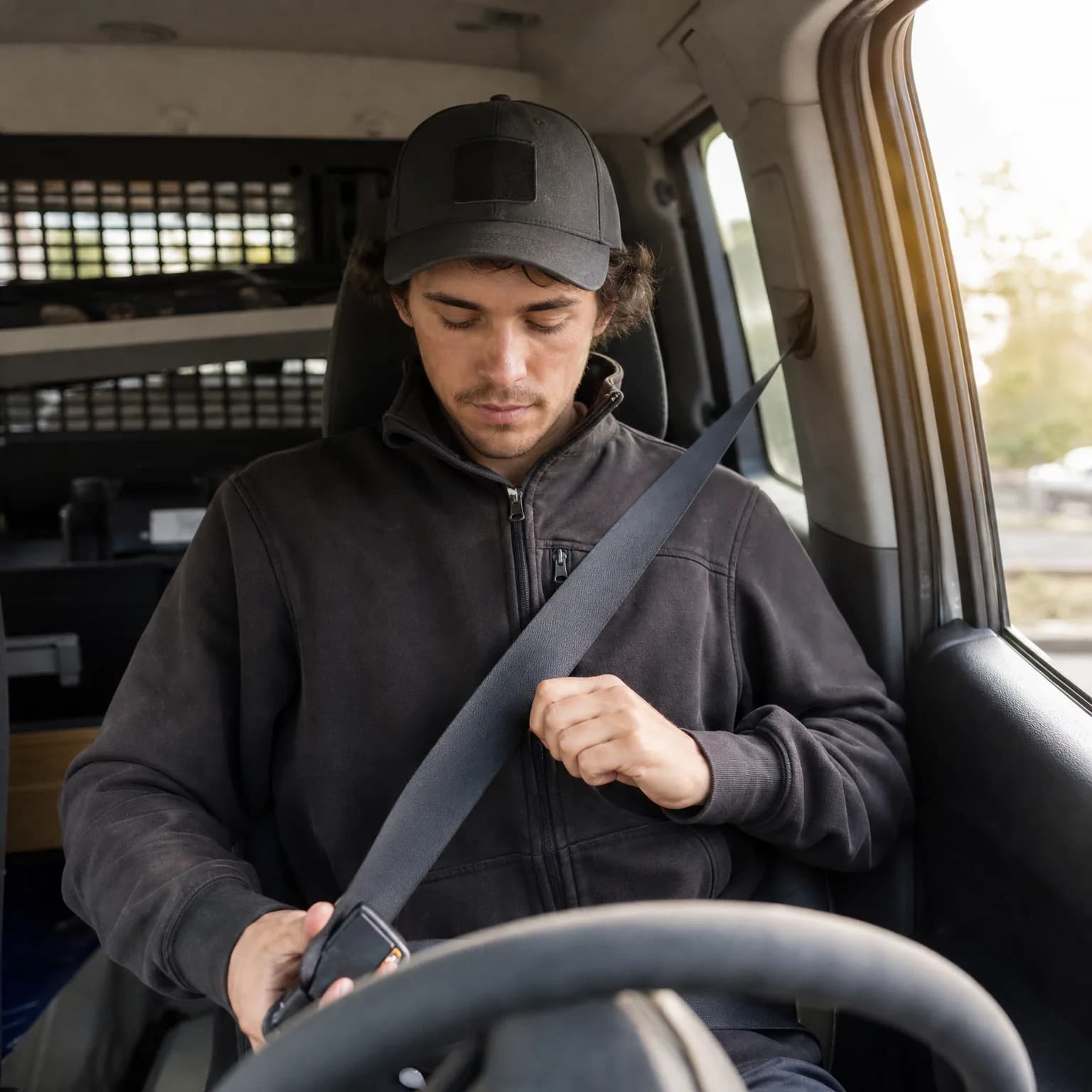
The permit-to-license conversion is the event that triggers the rate increase. Adding a newly licensed 16-year-old driver to a parent's policy typically increases the annual premium by $1,500 to $3,500, depending on the state, vehicle assigned, and coverage limits. Monthly, that translates to roughly $125 to $290/mo in additional cost.
Most states require teens to hold a permit for a minimum period — often 6 to 12 months — before they're eligible for a provisional license. During that window, your carrier may send a reminder asking you to confirm whether your teen has upgraded to a license. If you don't respond and your teen is driving independently, you're operating without proper coverage.
Some carriers use DMV monitoring services that automatically detect license status changes and adjust your policy. Others rely entirely on policyholder notification. If your insurer uses passive monitoring and discovers your teen was licensed three months ago, they may backdate the rate increase to the license issue date and bill you for the difference. Confirm your carrier's notification process in writing when you add the permit holder.


How State Graduated Licensing Laws Affect Coverage Timing
Graduated Driver Licensing (GDL) programs in all 50 states impose restrictions on newly licensed teens — typically limiting nighttime driving and the number of passengers. These restrictions don't lower your insurance rate, but they do create a compliance obligation that affects coverage.
In states like California, a provisional license holder under 18 cannot drive between 11 p.m. and 5 a.m. or transport passengers under 20 without an adult present. Violating these restrictions doesn't void your policy, but if an accident occurs during a restricted activity, the carrier may dispute the claim or assign higher fault.
Some states mandate specific parent-supervised practice hours before a permit holder can test for a license — 50 hours in Texas, 60 hours in Florida. Carriers don't verify completion of these hours, but they do assume that a newly licensed driver has met state requirements. If your teen was involved in an accident during the permit phase and the log shows insufficient practice hours, the insurer may question whether the driver was adequately supervised.

Find the Right Policy for Your Teen
Compare Teen Driver Insurance RatesDiscount Eligibility Starts Immediately — But You Must Apply
Once your teen converts to a licensed driver, they become eligible for discounts that can offset 15–35% of the rate increase. The two most common are the good student discount (typically requiring a 3.0 GPA or better) and the driver training discount (for completing an approved course).
The mistake most parents make is assuming these discounts apply automatically. They don't. You must submit proof — a report card, transcript, or certificate of completion — and many carriers require re-verification every 6 or 12 months. If you don't submit renewal documentation, the discount quietly drops off mid-policy, and you won't see it reflected until the next billing cycle.
Telematics programs (also called usage-based insurance) can reduce teen driver premiums by an additional 10–25% if your teen demonstrates safe driving behavior. These programs monitor hard braking, speed, and nighttime driving. Enrollment is usually optional but must be requested at the time you add the driver — you can't retroactively apply telematics discounts to past billing periods.
Assigned Vehicle Strategy: Why It Matters for Your Premium
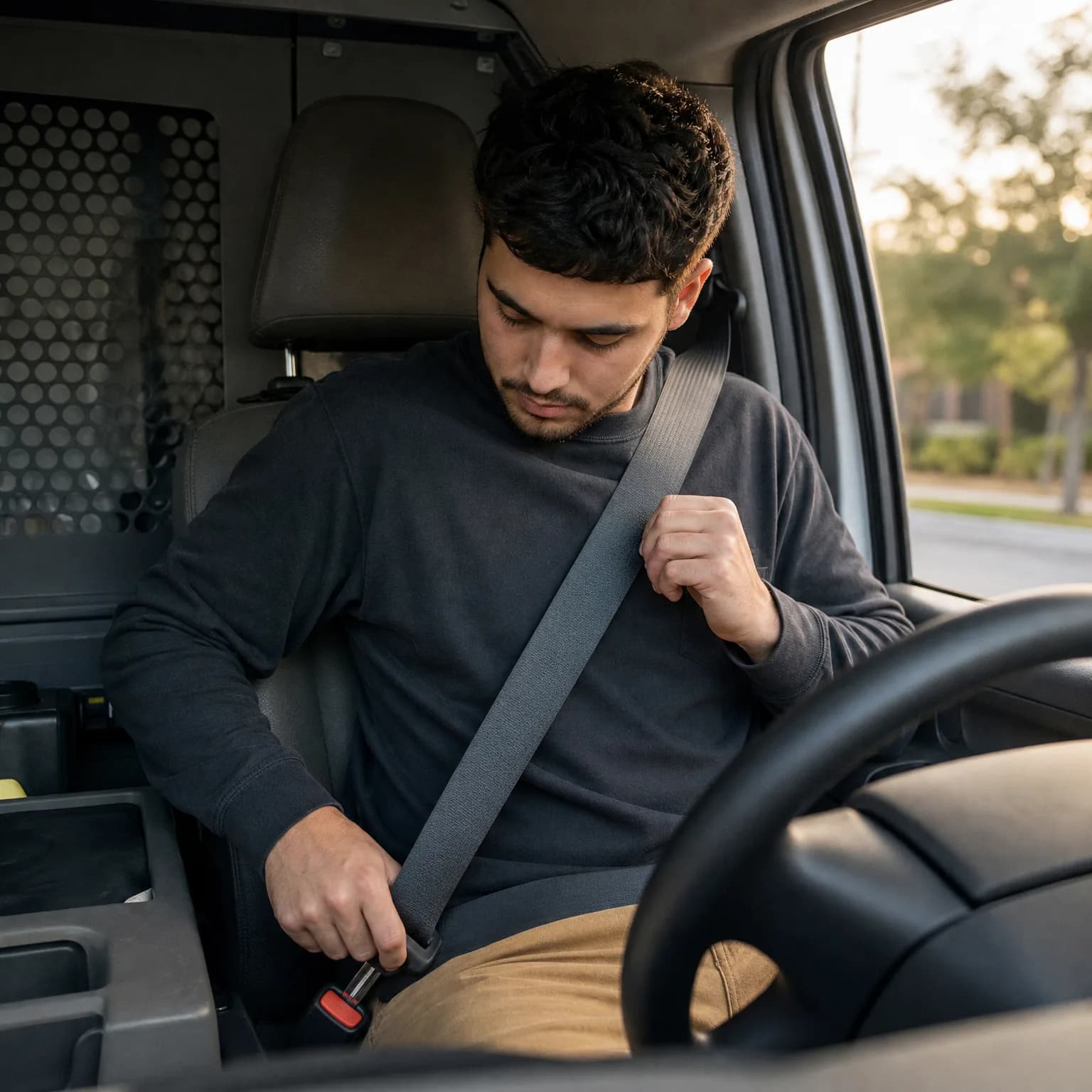
When you add a teen driver to your policy, the carrier will assign them to a specific vehicle in your household — usually the one they'll drive most often. The year, make, model, and safety rating of that vehicle directly affect the premium increase.
Assigning your teen to an older vehicle with lower collision and comprehensive values will result in a smaller rate increase than assigning them to a newer SUV or sports car. A 2015 sedan with modern safety features (ABS, airbags, electronic stability control) will cost less to insure than a 2010 model without those features, even if the older car has a lower market value.
If you have multiple vehicles, the carrier will default to the most expensive assignment unless you specify otherwise. Confirm the assigned vehicle in writing when you add your teen. If your teen primarily drives a vehicle different from the one listed, the carrier may deny a claim or adjust the rate retroactively if they discover the mismatch.

What to Do Before Your Teen Gets a Permit
Contact your insurer 30–60 days before your teen is eligible for a permit and ask three specific questions: (1) What is your notification requirement when my teen receives a permit? (2) What is your notification requirement when my teen converts to a license? (3) Do you use DMV monitoring, or do I need to notify you manually?
Request a rate quote for adding a licensed driver so you can budget for the increase. Most carriers will provide a 12-month projection based on your current coverage and the vehicle you plan to assign. This quote is non-binding but gives you a realistic expectation of the cost.
If the projected increase exceeds your budget, this is the time to compare rates across carriers — not after your teen is already licensed and you're facing a renewal deadline. Some carriers specialize in high-risk or young driver coverage and may offer better rates than your current insurer. Check state-specific programs: California offers the California Low Cost Automobile Insurance Program for income-eligible families, and similar programs exist in New Jersey and New York.
Frequently Asked Questions
Do I have to add my teen to my insurance when they get a permit?
Most carriers require you to notify them when your teen receives a learner's permit, but they typically don't increase your premium until your teen converts to a full or provisional license. Failing to notify your insurer can create coverage gaps if an accident occurs during supervised driving. Confirm your carrier's specific notification requirement in writing.
How much does insurance go up when my teen gets their license?
Adding a newly licensed 16-year-old to a parent's policy typically increases the annual premium by $1,500 to $3,500, or roughly $125 to $290/mo. The exact increase depends on your state, the vehicle assigned to your teen, your coverage limits, and available discounts like good student or driver training.
Can I keep my teen off my insurance if they only drive occasionally?
No. If your teen lives in your household and has a license, most carriers require them to be listed on your policy as either a covered driver or an excluded driver. Excluding them means they have zero coverage if they drive your vehicle, even in an emergency. Occasional use does not exempt them from disclosure requirements.
What discounts can reduce my teen's insurance cost?
The most common discounts are good student (typically 10–20% for a 3.0 GPA or higher), driver training (5–15% for completing an approved course), and telematics or usage-based insurance (10–25% for safe driving behavior). You must submit proof of eligibility and re-verify periodically — discounts do not apply automatically.
Does my teen need their own policy or can they stay on mine?
If your teen lives with you, keeping them on your policy is almost always cheaper than purchasing a separate policy. A standalone policy for a 16- or 17-year-old can cost $4,000 to $8,000 annually. Teens typically need their own policy only if they own a vehicle titled in their name or live independently.
Related Articles

Best Vehicles for Teen Drivers to Lower Insurance
4/11/2026

NC Teen Driver Insurance: Costs, Discounts & GDL Impact
4/7/2026

Stack Teen Driver Discounts: Re-Verification Guide
4/7/2026
Teen Driver Insurance in New Mexico: Costs & GDL Rules
4/7/2026

Teen Driver Insurance FAQ: Questions Parents Actually Ask
4/7/2026

Stack Every Discount for Teen Drivers | Parent Guide
4/11/2026